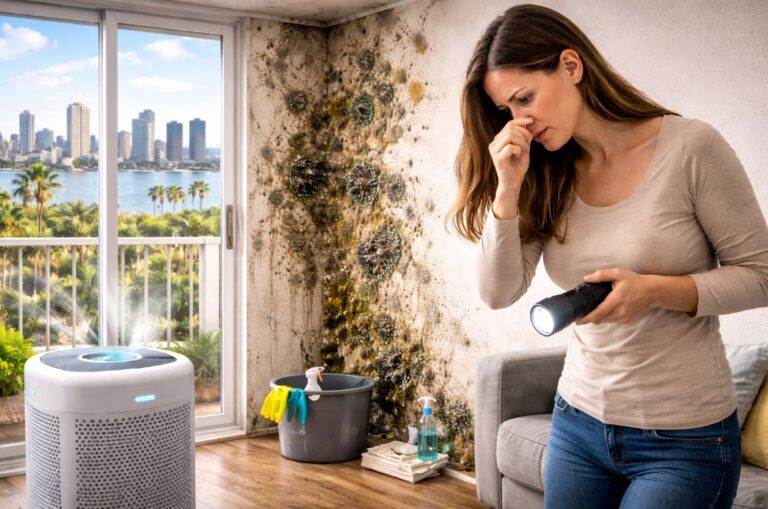
Can Mold Cause a Sore Throat? Symptoms, Risks, and What to Do
Yes, mold exposure can cause a sore throat, especially in sensitive individuals or when mold growth is present indoors.
With San Diego’s mix of coastal fog, marine layer, and inland heat, homes are often exposed to moisture—creating ideal conditions for mold. Understanding the link between mold and sore throats helps local homeowners and renters spot early warning signs and address moisture problems before they get worse.
Quick Answer
- Mold spores can irritate the throat when inhaled.
- Sore throat may be an early sign of mold exposure, especially with ongoing symptoms.
- Other symptoms: coughing, runny nose, itchy eyes, or sinus issues.
- San Diego’s humidity and fog can increase indoor moisture, raising mold risk.
- Reducing indoor dampness is key to preventing mold-related health issues.
- Severe or persistent symptoms should be evaluated by a healthcare provider.
How Mold Affects the Throat and Respiratory System
Mold exposure can irritate your throat and respiratory system, particularly in humid environments like San Diego where indoor air can trap spores after foggy days. When mold grows indoors, it releases microscopic spores and fragments into the air. Breathing these in—even at low levels—can inflame the lining of your throat and sinuses.
I’ve seen that sore throats from mold exposure often feel scratchy and dry, and can linger even after drinking water. This is especially noticeable if you spend long periods in rooms with closed windows or poor airflow. Alongside a sore throat, you might notice a dry cough, postnasal drip, nasal stuffiness, or allergy symptoms that seem to get worse at home. Children, older adults, and anyone with asthma or allergies are especially sensitive to airborne mold.
Here’s what I noticed: symptoms tend to spike after periods of high humidity or when the AC is running, as both can circulate spores if there’s hidden mold growth.
☑ Check for persistent sore throat or respiratory irritation, especially when at home or after rain/foggy weather.
Why San Diego Homes Are Prone to Mold-Related Health Issues
San Diego’s unique climate creates hidden challenges for indoor air quality. The coastal fog and famous “June Gloom” bring regular moisture into homes, and the marine layer can keep humidity trapped indoors for days at a time. In older buildings or condos—many of which have less effective ventilation systems—this trapped moisture can quickly become a breeding ground for mold.
What surprised me most is how much condensation can collect in inland neighborhoods, too. The temperature swings between warm days and cool nights can leave windows and walls damp in the morning. Even newer homes or well-maintained condos aren’t immune, especially if there are hidden leaks around plumbing or in the roof.
Moisture is always the root cause; mold is just a symptom that something is damp and staying that way. Without regular checks, it’s easy to miss a slow leak or a buildup of condensation behind furniture, in closets, or around windows.
☑ Regularly inspect for leaks, condensation, or musty odors, especially after foggy or humid days.
Recognizing the Signs: Mold Exposure vs. Common Illness
A sore throat from mold exposure can look a lot like a cold or seasonal allergy, but there are telltale differences. The pattern I keep seeing is that mold-related symptoms often get worse when you’re at home and improve when you spend time outdoors or away from the suspected area.
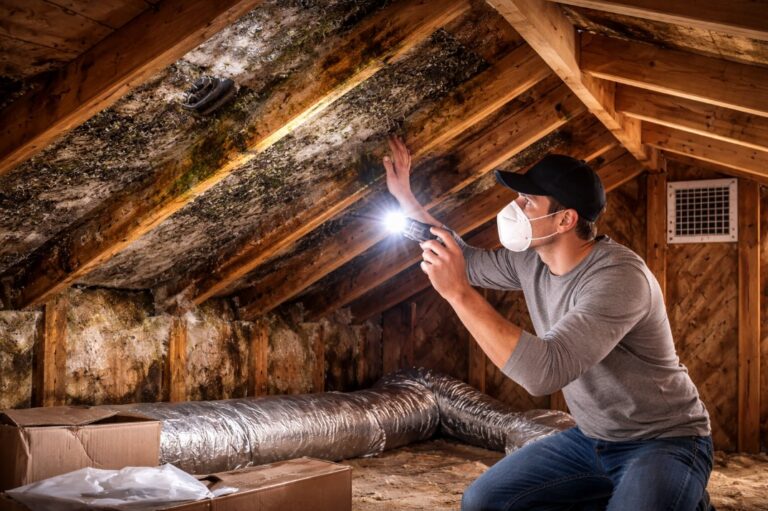
Pay close attention to timing. Do your symptoms flare up after rain, during San Diego’s marine layer mornings, or when you turn on the air conditioning or heating? These spikes can signal that mold spores are circulating in your living space. Other clues include visible mold spots, water stains on ceilings or walls, or that distinctive musty smell you can’t quite trace.
If symptoms persist for more than a week, involve other household members, or significantly interfere with your daily life, it’s time to seek help. Some people may have only a mild sore throat, while others experience coughing, sinus pressure, or worsening asthma.
☑ Keep a symptom diary noting when/where sore throat and other issues occur.
What to Do If You Suspect Mold Is Causing Your Sore Throat
If you think mold might be behind your sore throat, take action quickly. In the first 24 hours, open windows if weather allows, use fans to increase airflow, and run a dehumidifier—especially after rain, fog, or a plumbing mishap. Drying out wet areas fast (within 24–48 hours) is critical; research from the EPA shows that prompt moisture control is the best way to prevent mold.
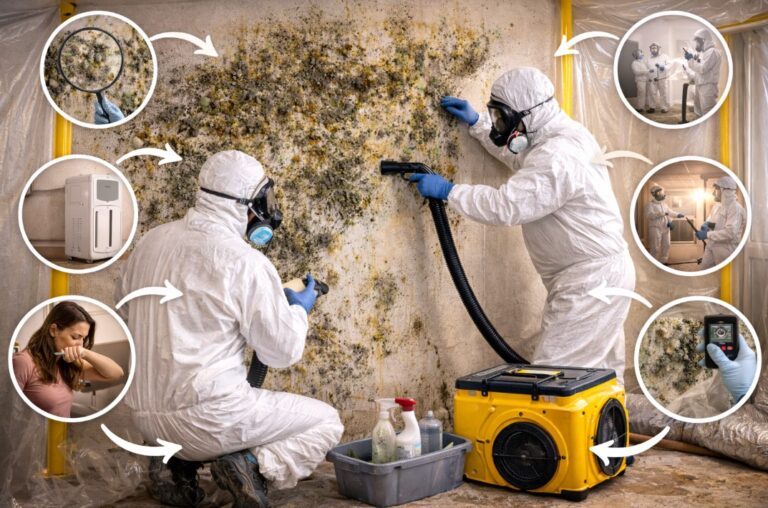
Within two days, try to find and fix the source of moisture: check under sinks, behind appliances, and around windows for leaks or condensation. If you spot visible mold, avoid disturbing it—scrubbing or sweeping can release spores into the air and make things worse. According to the CDC, small patches of surface mold (less than 10 square feet) can often be cleaned safely following their guidelines, but anything larger, hidden, or recurring should be assessed by a licensed mold remediation specialist.
If you rent, document the problem and notify your landlord in writing—California law requires landlords to address habitability issues. Condo owners should check HOA rules before starting any repairs, as shared walls or common areas may be involved.
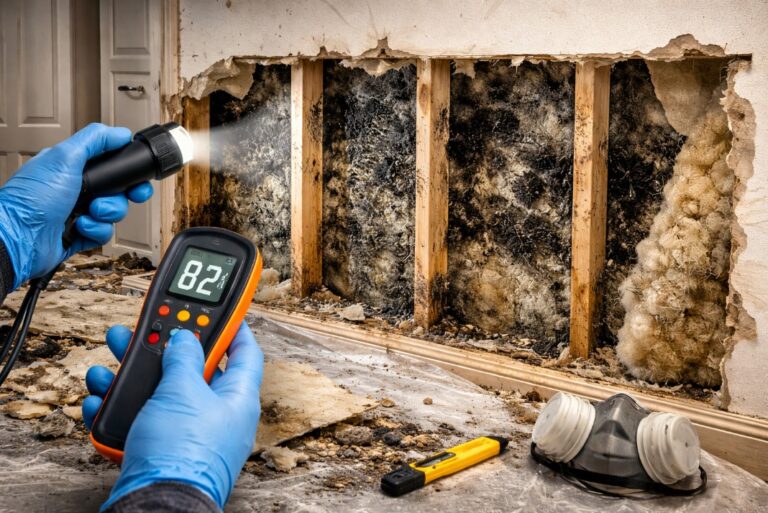
☑ If you find mold larger than a sheet of paper or hidden behind walls, contact a professional for assessment.
Official Guidance: What Health Authorities Say
The CDC confirms that mold can trigger throat irritation and other respiratory symptoms, particularly in people with allergies, asthma, or weakened immune systems. The EPA Mold Guidelines recommend drying water-damaged areas within 24–48 hours to prevent mold growth and emphasize that controlling moisture is the key to reducing health risks.
The California Department of Public Health advises San Diegans to monitor indoor air quality closely, especially during humid or foggy periods. The American Academy of Allergy, Asthma & Immunology notes that anyone with ongoing sore throat or respiratory issues linked to indoor mold exposure should seek medical evaluation.
Both CDC and EPA stress that addressing the underlying moisture is the most effective way to control mold and its health impacts—not just cleaning visible growth.
Sources Note
Information is sourced from the CDC, EPA, and California Department of Public Health.
This article is for informational purposes only and not a substitute for professional medical or remediation advice—consult a specialist if you suspect a serious issue.
FAQ
Can black mold cause a sore throat?
Yes, exposure to any type of mold, including black mold (Stachybotrys chartarum), can irritate the throat in sensitive individuals. The color does not determine its health effects; the main concern is the presence of mold spores indoors.How long does a sore throat from mold exposure last?
Duration depends on the level of exposure and whether the source is removed. Symptoms may persist as long as you are exposed to mold but typically improve within days after the area is cleaned or you leave the environment.What are signs that my sore throat is due to mold and not allergies?
Mold-related sore throats often worsen at home and improve outdoors. Look for patterns: do symptoms spike after rain, fog, or when the AC is running? Visible mold or musty odors are additional clues.Is it safe to stay in a house with mold if I have a sore throat?
Prolonged exposure can worsen symptoms, especially for those with allergies or asthma. If you notice persistent symptoms, take steps to address the mold and consult a healthcare provider.Are San Diego apartments more likely to have mold than houses?
Apartments and condos may be at higher risk due to shared walls, older construction, and less ventilation. However, any home can develop mold if moisture is present.What should I do if my child has a sore throat and I see mold at home?
Increase ventilation, avoid disturbing mold, and contact your child’s healthcare provider. Document the issue and arrange for proper remediation—renters should notify landlords immediately.Does using air conditioning in San Diego increase mold risk?
AC can spread spores if mold is present in ducts or filters. Regular maintenance and changing filters help reduce this risk.When should I see a doctor for a sore throat that might be from mold?
See a doctor if the sore throat persists for more than a week, is severe, or is accompanied by other symptoms like fever, difficulty breathing, or if multiple household members are affected.
What to Do Next
- Schedule a moisture inspection if you notice persistent sore throat and suspect indoor mold.
- Take steps to reduce indoor humidity—open windows, use fans, and fix leaks promptly.
- If symptoms persist or multiple household members are affected, contact a healthcare provider and a mold professional.