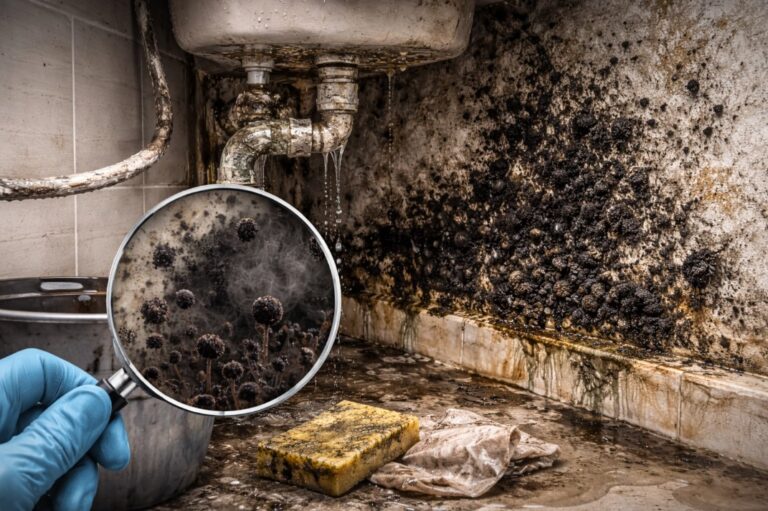
Black mold can be hazardous, especially for people with allergies, asthma, or weakened immune systems, but the true danger depends on the amount, location, and underlying moisture problem in your home.
San Diego’s coastal fog, June Gloom, and occasional bursts of inland humidity mean homes here face unique moisture challenges. Older buildings, condos with shared walls, and homes with poor ventilation are especially vulnerable to black mold—not just as an eyesore, but as a sign of deeper moisture issues that could harm your health and your property.
- Black mold is a moisture-loving fungus that can release allergens and irritants into indoor air.
- Health risk is highest in damp, unventilated spaces and for those with respiratory conditions.
- Mold itself is a symptom—controlling excess moisture is the real fix.
- Small patches (less than 10 sq. ft.) can often be cleaned safely by homeowners; larger or hidden infestations require a professional.
- Fix leaks and improve ventilation to prevent mold from returning.
- San Diego’s climate means vigilance after heavy rain, plumbing leaks, or prolonged marine layer conditions.
What Is Black Mold and Why Does It Grow Indoors?
Black mold usually refers to Stachybotrys chartarum, but in reality, several molds can appear black and look quite similar on walls or ceilings in San Diego homes. Here’s what I noticed: many people panic at the sight of dark mold, assuming it’s always the infamous “toxic black mold.” However, mold color isn’t a reliable indicator of toxicity. What really matters is the presence of moisture.
Mold spores are everywhere—in San Diego, just like anywhere else. They float in outdoor air and drift indoors through open windows, on shoes, or even pets. The real key is that mold only grows when it finds persistent moisture. That could be from a slow roof leak during winter storms, a plumbing drip behind a bathroom wall, or even condensation from our signature coastal fog or marine layers. Poor ventilation, especially in older homes and condos, makes these issues worse.
The pattern I keep seeing is that bathrooms, kitchens, and window sills are common trouble spots. If you’re unsure, I recommend inspecting these areas for dampness, musty smells, or water stains.
Actionable Checklist:
– Inspect bathrooms, kitchens, and window sills for signs of moisture or water stains.
Health Risks: Who Should Worry Most About Black Mold?
Black mold may cause sneezing, coughing, and irritation of the eyes, nose, or throat—particularly for people with asthma, allergies, or weakened immune systems. In San Diego, where older homes often have aging plumbing and less insulation, the risk is higher simply because moisture problems are more common. Still, research suggests that black mold is not uniquely toxic compared to other indoor molds. All significant indoor mold growth can trigger symptoms if left unchecked, not just Stachybotrys chartarum.
What surprised me most is how quickly symptoms can appear. If you or a family member starts experiencing unexplained respiratory issues, such as persistent coughing or sinus irritation, especially after moving into a new place or following a plumbing leak, it’s time to check for hidden moisture and possible mold.
Renters and condo owners in San Diego should be especially alert. Shared walls and older construction mean leaks can go unnoticed longer, and repairs may require HOA coordination or landlord intervention.
Actionable Checklist:
– If you or family members develop unexplained respiratory symptoms, check for hidden moisture and mold.
Safety note: If you have extensive mold, health symptoms, or a vulnerable occupant, consult a professional.
The Real Issue: Moisture Is the Cause, Mold Is the Symptom
Mold can’t grow without moisture—this is true whether you live near the beach in La Jolla or further inland in El Cajon. The real issue isn’t the mold itself, but the water that lets it thrive. Solving leaks, condensation, or high humidity is the only permanent fix. If you only clean visible mold but don’t address the underlying moisture source, you can expect it to come back.
San Diego’s weather throws some curveballs. Foggy mornings, prolonged marine layers, and even heat waves can lead to hidden moisture buildup, especially in poorly ventilated spaces. I’ve seen cases where windows regularly fog up, or closets develop a stale odor—both signs of lingering dampness.
After any water event—whether it’s a roof leak, burst pipe, or even heavy fog condensing indoors—the best practice is to dry affected areas within 24–48 hours. The longer materials stay wet, the greater the risk for mold.
Actionable Checklist:
– After any water event (leak, flood, or heavy fog), dry affected areas within 24–48 hours.
0–24–48h timeline for drying after leaks or water intrusion.
DIY or Call a Pro? Deciding How to Handle Black Mold
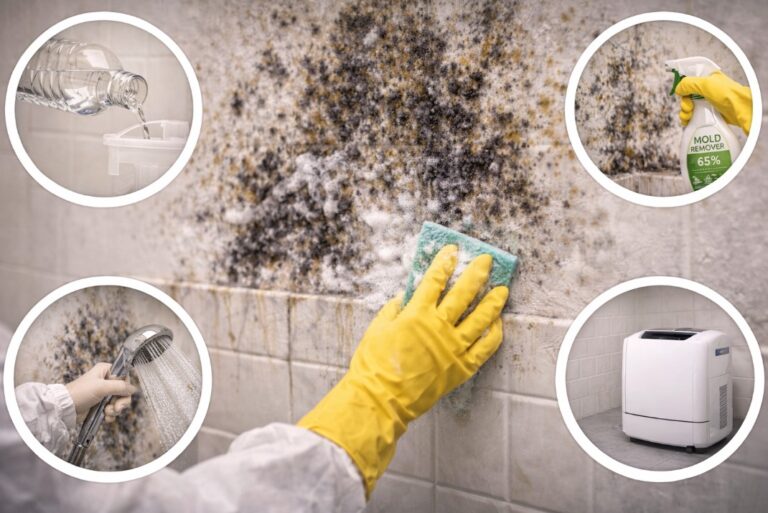
If you find a small patch of surface mold—less than 10 square feet, say, a spot on a bathroom wall or under a kitchen sink—it’s often safe to clean it yourself. Just make sure to use proper personal protective equipment (PPE) like gloves, goggles, and an N95 mask, and follow EPA Mold Guidelines. Use detergent and water, not bleach, unless recommended, and never mix cleaning solutions.
But here’s where it gets interesting: if the mold keeps coming back, covers a large area, or you can’t find the moisture source, that’s a red flag. Mold that’s spreading behind walls, under floors, or inside HVAC systems usually points to a bigger moisture problem—and that’s when professional help is needed. Licensed mold remediation contractors can identify hidden leaks and safely remove contaminated materials.
Tenants in San Diego apartments or condos should document the problem with photos and written notice to the landlord or property manager. California law requires landlords to address habitability issues, including mold and water damage, promptly.
Actionable Checklist:
– If you find a large, hidden, or persistent mold patch—or can’t identify the moisture source—contact a licensed mold remediation specialist.
DIY vs pro decision; safety note for extensive or hidden mold.
Preventing Mold: Moisture Control Strategies for San Diego Homes
The best way to avoid black mold danger is to prevent excess moisture in the first place. Regularly check for leaks under sinks, around windows, and in attics—especially after rainstorms or during periods of heavy fog. Use exhaust fans in bathrooms and kitchens whenever possible, and open windows to let moist air escape after showers or cooking if the weather allows.
For condos or older San Diego homes, ensuring proper ventilation is key. Shared wall leaks should be reported to the HOA or property manager right away, as delays can lead to mold outbreaks in multiple units. I recommend setting a recurring reminder—perhaps monthly during June Gloom or after storms—to inspect your home for condensation or water stains.
What I’ve learned is that most mold problems are preventable with just a little vigilance. Dehumidifiers can help indoors during especially humid spells, and basic moisture meters (usually $15–$40) can give early warning of hidden dampness.
Actionable Checklist:
– Set a recurring reminder to inspect your home for moisture and condensation—especially during June Gloom or after storms.
Official Guidance
According to the EPA Mold Guidelines, the most important step is to fix plumbing leaks and other water problems immediately, and to dry all affected items completely. The CDC advises cleaning up mold promptly and addressing the moisture issue to prevent recurrence. The California Department of Public Health affirms that renters have the right to request repairs for water damage and mold problems.
The EPA further recommends wearing gloves, goggles, and an N95 mask when cleaning small mold patches. For larger areas or if you’re experiencing severe health symptoms, the CDC strongly suggests getting professional help. When cleaning, use detergent and water, and avoid mixing bleach with other cleaners, as this can produce hazardous fumes.
Sources Note
Sources for this article include:
– U.S. Environmental Protection Agency (EPA)
– Centers for Disease Control and Prevention (CDC)
– California Department of Public Health
This article is for informational purposes only and does not replace professional assessment—contact a specialist for confirmed mold or moisture problems.
FAQ
How dangerous is black mold in a house?
Black mold can be hazardous for people with allergies, asthma, or weakened immune systems, but for most healthy adults, the main risk comes from prolonged exposure or large infestations—especially if the underlying moisture problem isn’t fixed.What are the first signs of black mold exposure?
Early symptoms include sneezing, coughing, stuffy nose, irritated eyes, or throat discomfort. If these start after a leak or water event, check your living space for dampness or visible mold.Can black mold make you sick even if you’re healthy?
Most healthy adults experience only mild, temporary symptoms if exposed to small amounts of mold. The risk is higher for those with respiratory issues or weakened immune systems.How do I get rid of black mold myself?
For small, surface patches (under 10 sq. ft.), use detergent and water with proper PPE, as recommended by the EPA. Make sure to fix the moisture problem to prevent recurrence.What should renters do if they find black mold in San Diego?
Document the mold with photos, write a dated notice to your landlord or property manager, and request repairs. Under California law, repairs for mold and water damage are required.How quickly does mold grow after a leak?
Mold can begin to grow within 24–48 hours after water exposure, especially in warm, humid, or poorly ventilated areas.Is black mold more common near the coast or inland in San Diego?
Both areas can have mold, but coastal homes often face more condensation and fog-related issues, while inland homes may have more problems after rain or plumbing leaks.Do air purifiers help with black mold spores?
HEPA air purifiers can reduce airborne mold spores, but they do not eliminate the source. Moisture control and proper cleaning are still necessary.
CTA Block
- Schedule a moisture inspection if you’ve had leaks, flooding, or persistent condensation.
- Take immediate action to dry out wet areas within 24–48 hours after water exposure.
- Contact a licensed professional for recurring, hidden, or extensive mold problems.