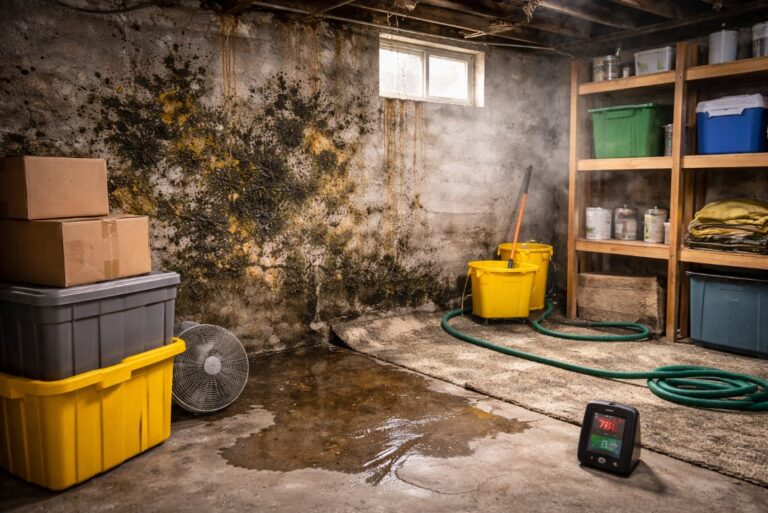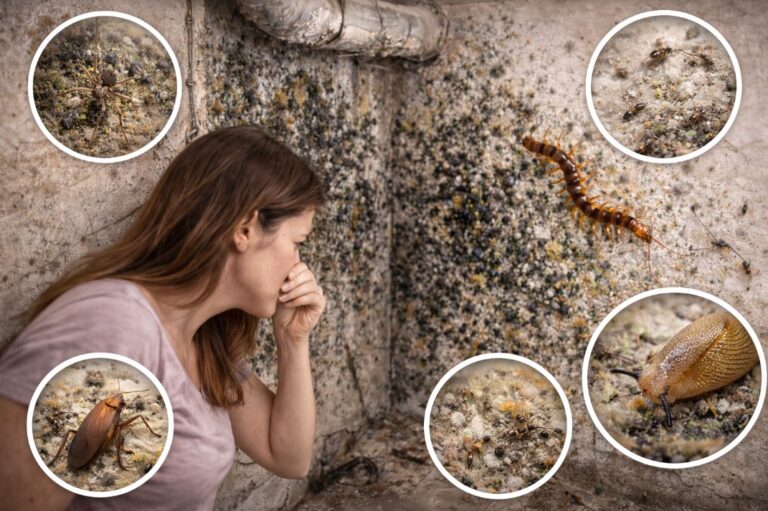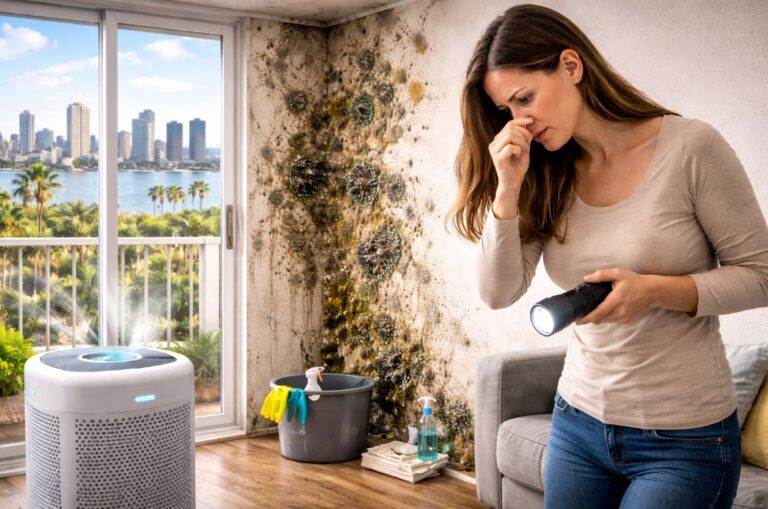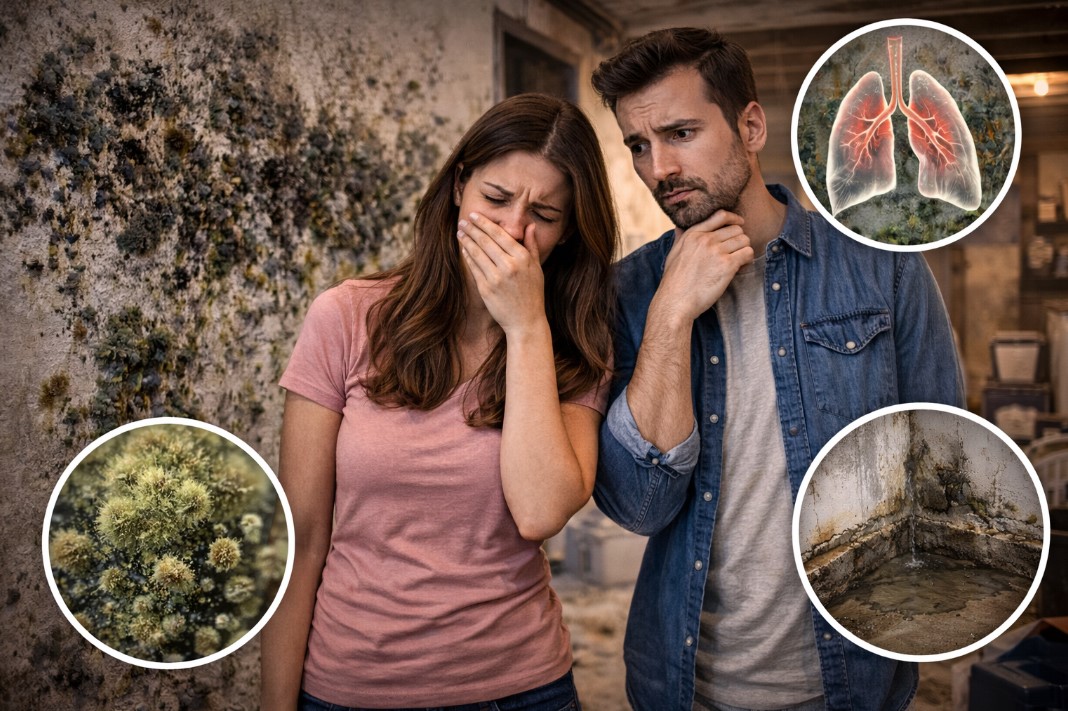
Yes, basement mold can absolutely make you sick. Mold spores in damp, enclosed spaces like basements are linked to a range of health problems, especially if you have allergies, asthma, or a weakened immune system.
Living in San Diego, I’ve seen firsthand how older homes, coastal fog, and even inland heat waves can lead to hidden moisture issues in basements and lower levels. Because mold is just a symptom—the real trouble is uncontrolled moisture—understanding the health risks is crucial for protecting your family and your property.
- Mold in basements produces airborne spores and toxins that can trigger allergy and asthma symptoms.
- Prolonged mold exposure may cause headaches, coughing, skin irritation, or even serious lung infections.
- People most at risk: children, seniors, people with allergies, asthma, or compromised immune systems.
- San Diego’s coastal climate and older homes increase the risk of hidden basement moisture and mold.
- The real problem isn’t mold itself, but the persistent moisture that allows mold to thrive.
- Fixing leaks, improving ventilation, and managing humidity are essential for prevention.
Why Basements Are a Mold Hotspot in San Diego
Basements in San Diego are especially prone to mold because the region’s climate and older housing stock create perfect conditions for moisture to linger. If you’ve lived here through a few June Gloom seasons or experienced a rare inland thunderstorm, you know how quickly dampness can creep in.
Coastal fog and the marine layer often blanket San Diego neighborhoods, pushing cool, moist air into lower levels of homes. Even inland, where summer heat dominates, sudden rain or high humidity can leave basements trapping moisture that takes days to dry out. Here’s what I noticed: many older San Diego homes, especially those built before modern building codes, lack the kind of waterproofing that newer construction has. This means water can seep in through tiny cracks or outdated foundations and linger unnoticed.
For condo owners and renters, the issue can be even more complex. Shared walls, aging plumbing, and sometimes inconsistent maintenance by property managers mean leaks or condensation may go undetected for longer. Poor ventilation—common in windowless or below-ground spaces—lets humidity build up, especially after a foggy morning or during a week of heavy marine layer.
If you want to stay ahead of basement mold, I recommend inspecting basement walls and floors for musty odors, water stains, or peeling paint every 3–6 months. These early warning signs can save you a lot of headaches down the line.
How Basement Mold Affects Your Health
Basement mold exposure can lead to a range of symptoms, from mild discomfort to more severe health problems. Even if you don’t have allergies, you might notice sneezing, watery eyes, a sore throat, or skin rashes after spending time in a damp basement. These are the short-term effects, and they’re often the first signs people notice when there’s a mold issue.
But with long-term or heavy exposure to basement mold, the health risks increase. Asthma flare-ups become more frequent, and some people develop chronic bronchitis or even lung infections. The pattern I keep seeing is that children, seniors, and anyone with a compromised immune system are much more vulnerable. Mold exposure may also worsen pre-existing conditions, especially allergies or any kind of lung disease.
If you notice unexplained respiratory symptoms at home, track where and when they occur—especially after time in the basement. This can help pinpoint whether mold might be the culprit. And if symptoms appear suddenly or become severe (trouble breathing, persistent coughing), it’s important to seek medical attention right away.
The Hidden Moisture Traps Behind Basement Mold
Hidden moisture, not just visible leaks, is the true driver of basement mold in San Diego homes. While a dripping pipe is easy to spot, many moisture sources are much more subtle—and that’s where the real challenge lies.
Old plumbing is a frequent culprit, especially in houses with original copper or galvanized pipes. Water heaters, laundry hookups, or even a slow drip behind a wall can feed mold growth for months before you see any visible signs. Poor drainage or grading around the foundation can let rainwater or irrigation runoff seep into basement walls, especially after those rare but heavy San Diego downpours.
And this is where it gets interesting: temperature swings during June Gloom or marine layer events can cause condensation to form on cool basement surfaces. That thin, invisible film of water is all mold needs to take hold. Add in inadequate ventilation—common in below-ground or windowless spaces—and moisture has nowhere to go.
If you suspect hidden basement moisture, try this quick test: tape a piece of clear plastic to the wall or floor for 24 hours. If you see condensation underneath, there’s likely a hidden moisture problem. This 0–24h timeline gives you a fast way to detect trouble before it becomes a bigger issue.
What to Do If You Find Mold in Your Basement
If you find mold in your basement, the first step is to stop the moisture at its source. Before you do any cleaning, ventilate the space as much as possible and identify where water might be getting in. Only then should you move to address the visible mold.
For small patches—less than 10 square feet—you can usually clean them up yourself. Use detergent and water, wear gloves and a mask, and dry the area thoroughly. But if the mold covers a larger area, keeps coming back, or you suspect a hidden leak, it’s time to call a remediation specialist. Never try to disturb or remove large moldy areas yourself; it can release a cloud of spores and make things worse.
If you rent or own a condo, document the mold problem with photos and written notes. Notify your landlord or property manager right away—this is important not just for your health, but for insurance and liability reasons. Condo owners should also check HOA rules before starting any work, as shared walls or plumbing could affect neighbors.
Before any cleaning, stop water intrusion and ventilate the basement as much as possible. This step is non-negotiable—otherwise, the mold will just keep coming back.
Official Health and Safety Guidance on Basement Mold Exposure
The Centers for Disease Control and Prevention (CDC) recommends removing mold and fixing water problems right away to prevent health risks. The U.S. Environmental Protection Agency (EPA) states that even small patches of mold can cause allergic reactions and should be promptly cleaned. The California Department of Public Health (CDPH) highlights the need to control indoor moisture as the only lasting mold solution. According to OSHA, workers and residents should avoid direct contact with visible mold whenever possible. The American Lung Association warns that children and people with asthma are especially sensitive to mold spores.
Sources Note
Sources for this article include the Centers for Disease Control and Prevention (CDC), U.S. Environmental Protection Agency (EPA), and the California Department of Public Health.
This article is informational only and not a substitute for professional medical or remediation advice. Consult a specialist if you suspect a serious mold or moisture problem in your home.
FAQ
Can basement mold cause long-term health problems?
Yes, prolonged exposure to basement mold may be linked to chronic respiratory issues such as asthma or bronchitis, especially for those with existing health conditions.
How do I know if my basement mold is making me sick?
If you notice allergy-like symptoms (sneezing, itchy eyes, coughing) that get worse after spending time in your basement, mold exposure could be a factor. Track your symptoms and discuss them with your healthcare provider.
Are certain types of basement mold more dangerous than others?
Some molds, like Stachybotrys chartarum (“black mold”), may produce toxins, but all mold can cause health problems if present in sufficient quantity. The main issue is the amount and duration of exposure.
What are the first signs of mold sickness in children or pets?
Children may develop coughing, congestion, or skin rashes. Pets might sneeze, cough, or scratch more than usual. If these symptoms appear or worsen after basement exposure, consider having your home checked.
Does San Diego’s climate make basement mold worse?
San Diego’s coastal fog, marine layer, and humid conditions during June Gloom can all increase basement moisture, making mold more likely to grow.
Should I move out if I find black mold in my basement?
You don’t always need to move out, but you should avoid the area and contact a professional for evaluation and cleanup if the mold is widespread.
How quickly should I fix a basement leak to prevent mold?
Address leaks within 24–48 hours to minimize the risk of mold growth. Mold can start to develop quickly once moisture is present.
Can an air purifier help with mold spores in the basement?
A HEPA-filter air purifier may reduce airborne mold spores, but it won’t solve the underlying moisture problem. Always fix leaks and control humidity first.
CTA Block
- Schedule a professional moisture inspection if you suspect hidden leaks or recurring mold.
- Document any mold or moisture problems and contact your property manager or landlord promptly.
- Invest in a hygrometer to monitor basement humidity and keep levels below 60%.