What Is Black Mold? Health Risks, Warning Signs, and When to Worry
Black mold is a toxic type of fungus, most commonly Stachybotrys chartarum, that thrives in damp, poorly ventilated areas of homes. It produces dark, often greenish-black, slimy patches and can release spores that may pose health risks to people and pets.
For San Diego homeowners, especially those living in older houses or coastal areas prone to fog and marine layer moisture, black mold isn’t just an eyesore—it’s a sign of underlying moisture problems. With our region’s unique mix of humid coastal weather and dry inland heat, understanding black mold is key to protecting your property and health.
- Black mold refers to Stachybotrys chartarum, a toxic mold species found in water-damaged buildings.
- Grows in areas with chronic moisture, such as leaky roofs, plumbing, or poorly ventilated bathrooms.
- Health risks include allergies, respiratory issues, and, in rare cases, serious illness.
- Warning signs: musty odor, visible dark patches, persistent dampness.
- Address the source of moisture to prevent and remediate black mold.
- Professional help may be needed for extensive infestations or health symptoms.
What Exactly Is Black Mold?
Black mold, or Stachybotrys chartarum, is a specific species of toxic mold that stands out for its dark appearance and affinity for wet, cellulose-rich materials. In the San Diego area, where older homes and condos often have original wood framing or drywall, these materials become prime real estate for black mold after a leak or prolonged dampness.
Despite the name, not all black or dark molds are Stachybotrys chartarum. Many homeowners mistake other harmless molds for the infamous “black mold,” but it’s this particular species—with its slimy, dark greenish-black coloration and sometimes sticky surface—that is most concerning. It almost always shows up where moisture has lingered: think water-damaged drywall, soaked baseboards, or behind wallpaper that’s bubbled from humidity.
It’s rarely found in dry, well-ventilated rooms. The pattern I keep seeing: if a room smells musty and feels damp, especially after a recent plumbing mishap, that’s where black mold likes to settle in. Even in sunny San Diego, a hidden leak can create the perfect environment.
☑ Check for dark, slimy patches in areas with recent leaks or water damage.
How Black Mold Develops in San Diego Homes
Black mold growth is directly tied to persistent moisture, and San Diego’s climate creates unique challenges. Along the coast, frequent fog, marine layers, and June Gloom can keep surfaces damp for days. Older homes—especially those built before modern waterproofing standards—are more prone to leaks around windows, roofs, and foundations. Even inland, where the climate is drier, quick temperature drops at night can cause condensation, especially in poorly ventilated spaces.
Bathrooms, kitchens, attics, and the areas behind walls often suffer most from hidden leaks or condensation. Condos and rental units can be especially at risk if maintenance is delayed, which sometimes happens in buildings with absentee landlords or slow HOAs. Here’s what I noticed: coastal properties with single-pane windows and older plumbing seem to need extra vigilance, especially after winter rains or heavy fog.
Whether you’re a renter documenting a recurring leak or a condo owner checking with your HOA about repairs, the key is regular inspection. San Diego’s coastal fog and June Gloom might feel refreshing, but they’re also a cue to check those windows and bathrooms for dampness.
☑ Regularly inspect and promptly repair leaks, especially after heavy rains or marine layer events.
Health Risks of Black Mold Exposure
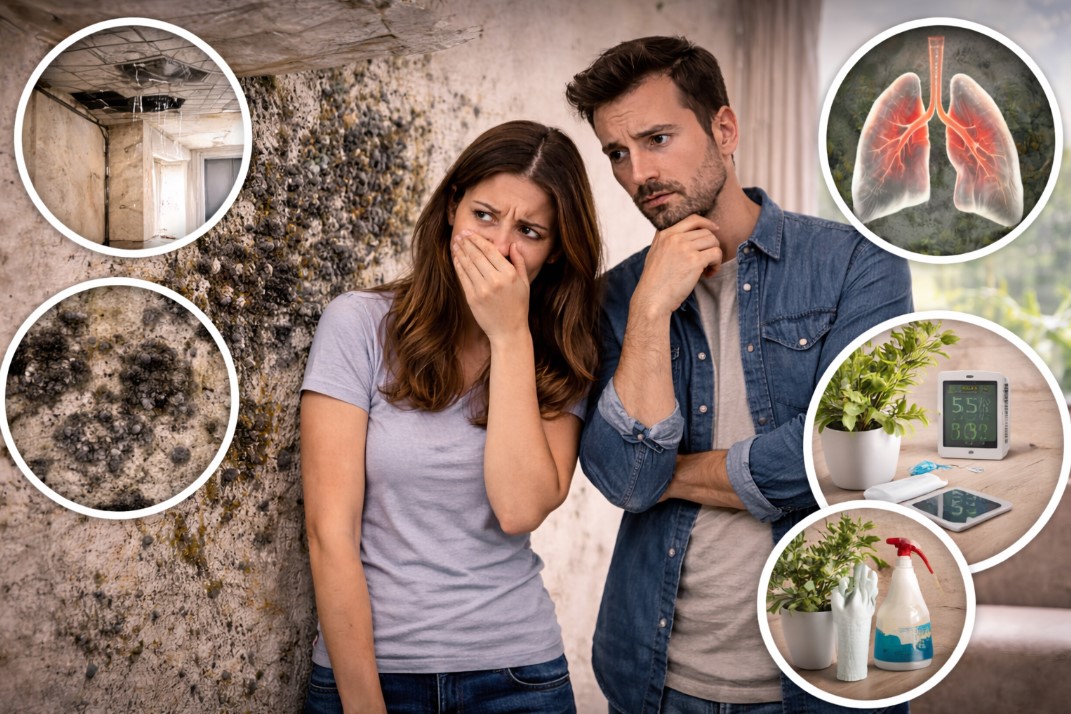
Exposure to black mold may be linked to a range of health issues, most commonly allergic reactions such as sneezing, coughing, or skin irritation. People who already have asthma, allergies, or weakened immune systems—like infants, the elderly, or anyone recovering from illness—can be more sensitive to black mold spores. Pets, too, can show signs like sneezing or fatigue if exposed for long periods.
Severe symptoms, such as persistent headaches, trouble breathing, or chronic sinus congestion, can sometimes develop if exposure is prolonged or if the mold problem is extensive. What surprised me most is how quickly symptoms can improve once the mold and moisture are addressed, especially in vulnerable groups. If anyone in your household experiences unexplained symptoms and you see signs of mold, it’s a good idea to consult a healthcare provider.
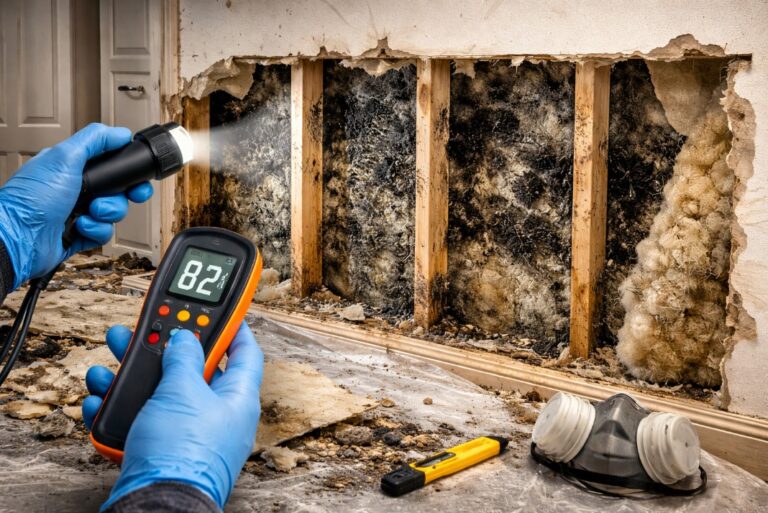
One practical safety tip: never disturb visible black mold without protection. Scrubbing at mold without gloves, goggles, or an N95 mask can send spores airborne, making things worse for sensitive people and pets.
☑ If you or family members experience unexplained symptoms and see mold, consult a healthcare provider.
Warning Signs of Black Mold in Your Home
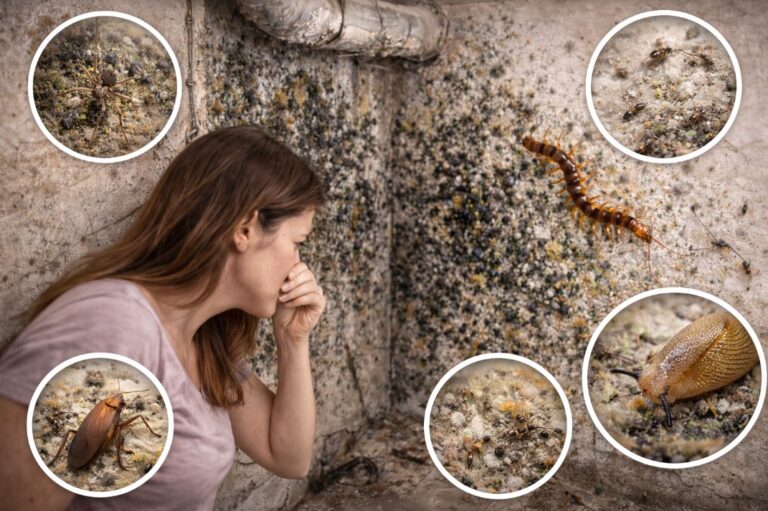
The most telling sign of black mold in San Diego homes is a persistent, musty odor—often described as earthy or damp, and it lingers no matter how much you clean. Visually, look for dark, sometimes slimy spots on walls, ceilings, or around windows, especially where water has pooled or leaked. Peeling paint, warped wood, or stubborn patches of dampness are also warning flags, particularly in bathrooms or kitchens that never seem to dry out.
Past flooding, leaks, or repeated humidity—like in a coastal home during foggy months—can set the stage for hidden mold behind walls or under flooring. For small, isolated patches (less than 10 square feet), most healthy adults can clean it themselves with proper precautions. If the area is larger, keeps coming back, or you can’t find the source, it’s time to call a professional.
And this is where it gets interesting: sometimes, the only clue is a musty smell or a bit of peeling paint—especially in condos where you might not see inside walls. If you’re renting, document the issue with photos and notify your landlord; condo owners should check their HOA rules before any repairs.
☑ Investigate any persistent musty odors or unexplained water damage immediately.
When Should You Worry? (And What to Do Next)
Black mold should be taken seriously if you spot it growing on more than a small patch, if it recurs after cleaning, or if it’s linked to ongoing health problems in your household. The urgency comes from mold’s ability to start growing within 24 to 48 hours of a leak or flood—a timeline that surprises many San Diego residents, given our generally sunny reputation.
Immediate action is needed when you see mold on large surfaces, inside walls, or in homes with infants, elderly, or anyone with respiratory conditions. Professional remediation is recommended for infestations larger than 10 square feet, or if you have trouble finding the source. Remember, mold is always a symptom—the real culprit is underlying moisture, so repairs should always focus on fixing leaks, improving ventilation, or addressing condensation.
For renters, it’s important to document the issue, notify your landlord, and avoid attempting major repairs yourself. Condo owners should consult their HOA before starting any remediation work. Inland San Diego homes might face more condensation-related issues due to quick changes from daytime heat to cooler nights, while coastal homes battle moist air and fog.
☑ Don’t just clean the mold—find and fix the underlying moisture source to stop it from returning.
Government and Expert Recommendations on Black Mold
The Centers for Disease Control and Prevention (CDC) emphasizes prompt action: fix leaks and dry wet areas right away to prevent mold growth. The U.S. Environmental Protection Agency (EPA) recommends calling professionals for moldy areas larger than 10 square feet, and stresses the importance of protective gear—wear gloves, N95 masks, and goggles—when cleaning small patches.
Never mix cleaning chemicals like bleach and ammonia, as this can create toxic fumes. The California Department of Public Health (CDPH) specifically urges Californians to fix water problems to prevent mold from returning, and to be cautious in older or poorly maintained buildings. Renters in San Diego should document mold issues and notify landlords promptly, while condo owners may need HOA approval for major repairs.
Sources Note
Sources for this article include the CDC, EPA, and California Department of Public Health. This information is intended as a general overview and does not substitute for professional advice—if you suspect a significant mold problem, consult a qualified specialist or your healthcare provider.
FAQ
What does black mold look like in a house?
Black mold typically appears as dark, slimy, or greenish-black spots on drywall, wood, or ceilings—especially in damp areas.How can I tell if I have toxic black mold or another type?
Stachybotrys chartarum is usually slimy, dark green-black, and grows on wet, cellulose-rich materials. Lab testing can confirm the species if needed.Is black mold dangerous to pets or children?
Yes, pets and children are more sensitive to mold exposure and may develop allergy-like symptoms if exposed for long periods.Can black mold grow in dry climates like inland San Diego?
While less common, black mold can develop indoors in any home with chronic leaks, poor ventilation, or condensation—even in drier inland areas.How quickly does black mold start after a leak?
Black mold can begin growing within 24 to 48 hours of water exposure if the area remains damp.What should I do if I find black mold in my bathroom?
Clean small patches with protective gear, but fix the moisture source first. For larger areas or recurring growth, call a professional.Are home mold test kits reliable for detecting black mold?
Some kits can detect mold presence, but they may not identify the specific type. Professional testing is more accurate.Does renter’s insurance cover black mold damage in San Diego?
Coverage varies—many policies exclude mold, but some may cover damage from sudden leaks. Review your policy or consult your agent.
Call to Action
- Schedule a professional moisture inspection if you notice persistent dampness or mold odors.
- Address water leaks or ventilation issues promptly to protect your home and health.
- If you have health concerns related to mold exposure, consult your healthcare provider.