Does Your Air Conditioner Have Mold? Warning Signs and Next Steps
Yes, your air conditioner can develop mold—especially if there’s excess moisture inside the unit or ductwork. Mold growth is a warning sign of a bigger problem: unwanted moisture.
For San Diego homeowners and renters, the combination of coastal fog, marine layers, and occasional heat waves means your AC works overtime—all while dealing with humidity and condensation. Older homes and tightly sealed condos may be even more at risk. Ignoring mold in your air conditioning isn’t just about air quality; it’s about fixing hidden leaks and moisture issues before they cause more serious problems.
Quick Answer: Signs of Mold in Your Air Conditioner
- Mold in your air conditioner often causes musty or earthy odors when the AC runs.
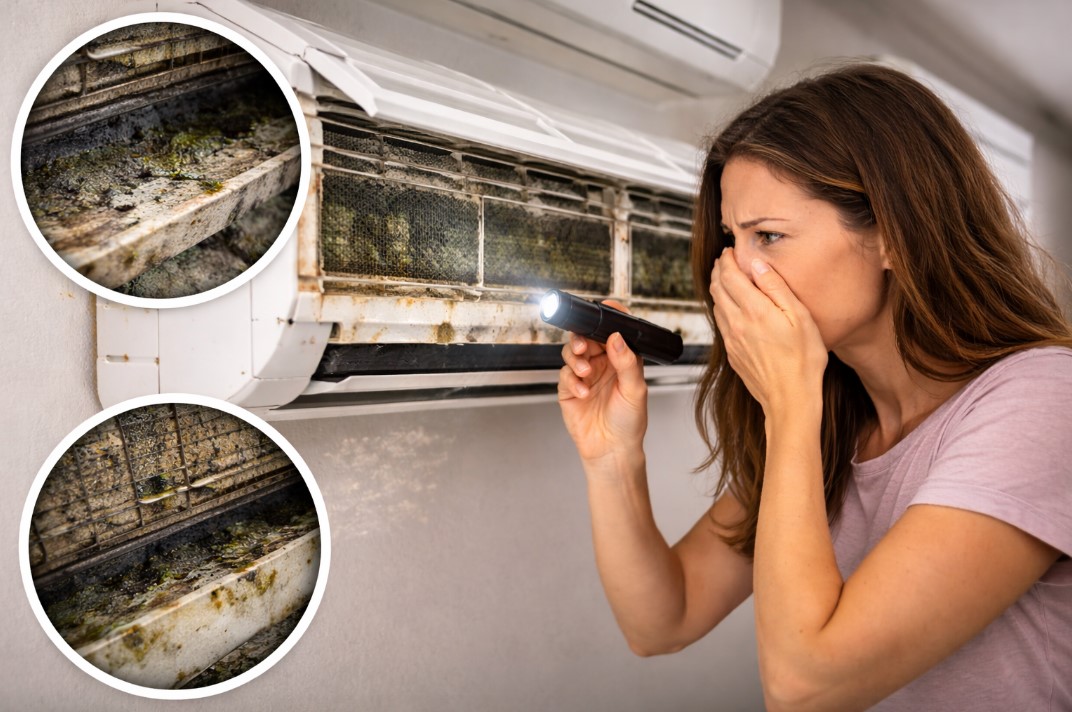
- Visible spots or streaks inside vents, on coils, or around the air handler may signal mold.
- Persistent allergy symptoms indoors could be a warning sign.
- Moisture or pooling water near or inside the unit increases mold risk.
- Professional inspection is recommended if you notice smells, moisture, or health symptoms.
- Addressing moisture sources is essential to stop mold from returning.
Why Air Conditioners Develop Mold in San Diego Homes
Air conditioners in San Diego develop mold because moisture from condensation, combined with the region’s unique climate patterns, creates an ideal breeding ground inside your unit. With coastal fog and the infamous June Gloom, indoor humidity rises—especially in older homes or well-sealed condos near the beach. That moisture settles on the cold coils and in drain pans, and if it isn’t drained or evaporated quickly, mold can take hold surprisingly fast.
The pattern I keep seeing is that inland homes aren’t off the hook, either. When temperatures swing wildly, you might run your AC during a muggy evening after a hot day. In those moments, humidity plus trapped air in poorly ventilated spaces means moisture can linger longer than you think. Even if you don’t see visible water, leaky ductwork or a clogged condensate drain can allow hidden moisture to build up inside your system—prime conditions for AC vent mold.
Here’s what you need to do:
✔️ Check for standing water or visible condensation around your indoor AC unit at least once a month.
If you’re living in a condo, double-check your HOA’s maintenance guidelines before attempting any work on shared HVAC systems. And if you’re renting, always document any moisture or mold you find and notify your landlord right away.
Warning Signs Your AC Might Have Mold
You’ll often notice a musty or earthy smell wafting through the house when the AC runs—especially if you live near the coast in San Diego, where the marine layer keeps things damp. That’s a classic sign of mold in your AC unit. Sometimes, you’ll see black, green, or even white spots inside vents, on filters, or around the air handler. These are common signs of mold in air conditioner systems, and they’re not to be ignored.
If you or anyone in your home starts sneezing more, develops a scratchy throat, or has watery eyes only when the AC is on, it could be a warning sign. Pay close attention to unusual dampness, water stains, or even reduced airflow; a clogged or moldy system doesn’t move air efficiently. What surprised me most is how often mold hides in the filter itself, so don’t skip that monthly check.
✔️ Remove and inspect your AC filter monthly for discoloration, moisture, or unusual smells.
If you see something odd, take a photo. That documentation is useful for your landlord or an HVAC technician, and it’s essential for renters.
What to Do If You Suspect Mold in Your Air Conditioner
If you think your air conditioner has mold, start by turning off the unit—especially if you see visible mold or the smell is strong. You don’t want to circulate spores around your home, whether you’re in a coastal bungalow or a downtown San Diego high-rise. Clean or replace the filter as a first step, but don’t disturb any visible mold colonies deeper inside the system.
Look for leaks, clogged drain lines, or obvious condensation around your air handler. Sometimes, it’s as simple as a blocked drain pan causing water to pool and create a mold problem. If the mold is only on a removable filter and there’s no musty odor elsewhere, you might handle a small, accessible cleaning job yourself—just use non-bleach cleaners and wear gloves and a mask.
And this is where it gets interesting: If there’s a large area of mold, it’s hidden inside ductwork, or anyone in the home is immunocompromised or has severe allergies, it’s time to call a professional. Don’t risk your health or damage to your AC system with DIY deep cleaning.
✔️ Document what you see and smell for your HVAC technician or landlord; take photos if possible.
If you’re a renter, always notify your landlord and provide photos—they’re responsible for addressing health and safety issues. Condo owners should check with their HOA before making repairs or hiring outside help.
DIY vs Pro Decision:
Small, surface mold on an accessible filter or vent cover may be cleaned with proper precautions. For anything extensive, hidden, or recurring, get expert help.
Safety Note:
If anyone in your home is immunocompromised or suffers from severe asthma or allergies, always choose professional HVAC mold removal.
How to Prevent Mold from Returning in Your AC
Preventing mold in your air conditioner comes down to one thing: controlling moisture. Regular AC maintenance is your first line of defense—clean the coils, check the drain pan, and clear any clogs at least once a year. In San Diego, especially during June Gloom or after coastal storms, use a dehumidifier in rooms that feel damp, like converted garages or basements.
Don’t forget ventilation. Open windows on dry days to let fresh air circulate, and always run exhaust fans in bathrooms or kitchens. If you have leaky ductwork, get it sealed and insulate any cold surfaces to cut down on condensation. Plumbing leaks, overflowing pans, or even a dripping AC unit should be addressed within days, not weeks.
Here’s what I noticed: Many people forget to schedule an annual inspection before the heat really kicks in. That’s when you’re most likely to find a small issue before it leads to a full-blown mold problem.
✔️ Add annual AC inspection to your spring cleaning routine—before peak cooling season.
Whether you own or rent, make it a habit. And if your HOA covers HVAC maintenance, request documentation showing recent inspections and cleaning.
When to Replace Vs. Repair: Making the Right Call
Deciding whether to clean, repair, or fully replace an AC unit with mold isn’t always simple. Minor, surface mold on easily accessible parts like the filter or vent cover can often be cleaned if you address whatever moisture problem started it. But if you discover mold deep inside ductwork, on the insulation, or throughout the air handler, that’s when professional remediation is usually required.
Some studies show that older or neglected units with severe mold may be difficult to clean thoroughly, and replacement might be the safer bet to restore air quality and system efficiency. If your system is over 10–12 years old, needs frequent repairs, or the cost of remediation is close to what a new unit would cost, replacement may be the smart move.
Don’t rush:
✔️ Get written estimates from at least two HVAC professionals before deciding on costly repairs or replacement.
The EPA recommends investigating musty odors and cleaning or replacing your filter within 24 hours. If symptoms persist or you see visible mold, call a professional within 48 hours for assessment and remediation. That 0–24–48 hour window can make a big difference in preventing a minor mold problem from becoming a major issue.
If you’re renting, communicate all findings and estimates to your landlord. Condo owners should check whether replacement of shared HVAC units requires HOA approval.
What the Experts Say About Mold in Air Conditioning
- The EPA recommends fixing any water leaks and drying all moisture within 24–48 hours to prevent mold growth.
- The CDC warns that people with allergies, asthma, or weakened immune systems are at higher risk from mold exposure.
- OSHA suggests regular maintenance and prompt cleaning of HVAC systems to prevent mold problems.
- The California Department of Public Health highlights the importance of controlling indoor moisture to prevent mold in coastal climates.
- Both EPA and CDC advise against using bleach for porous surfaces; professional remediation may be needed for extensive growth.
Sources
- U.S. Environmental Protection Agency (EPA)
- Centers for Disease Control and Prevention (CDC)
- California Department of Public Health (CDPH)
This article is for informational purposes only. For confirmed mold or moisture issues, consult a licensed HVAC or indoor air quality specialist.
Frequently Asked Questions
1. How can I tell if my air conditioner has mold?
You’ll often notice musty odors when the AC is running, visible spots or streaks inside vents or on filters, persistent allergy symptoms, or dampness near the unit—these are common signs of mold in air conditioner systems.
2. What does mold in an AC unit smell like?
It usually smells musty, earthy, or a bit like wet socks. This odor is strongest when you first turn on the AC or when the system cycles after being off.
3. Is it safe to run my AC if I suspect there’s mold inside?
If you suspect or see mold, turn off the AC until you can clean or replace the filter and investigate further. Running the system may spread mold spores.
4. Can mold in my air conditioner make me sick?
Mold exposure may be linked to allergy symptoms, including sneezing, coughing, or itchy eyes, especially in those with asthma or weakened immune systems. Research suggests a possible association but individual health impacts vary.
5. How do I clean mold out of air conditioning vents?
For minor, accessible mold, clean vent covers and replace filters using non-bleach solutions. Do not attempt deep cleaning of ductwork or hidden components—hire a professional for those jobs.
6. What causes mold to grow in air conditioners in San Diego?
Coastal fog, marine layers, and high humidity increase indoor moisture, while older or poorly ventilated homes are more prone to condensation and leaks, setting the stage for mold growth.
7. Should I replace my air conditioner if it has mold?
If mold is minor and accessible, cleaning may suffice. However, widespread or recurring mold, especially in older units, often means replacement is the safer option.
8. Who do I call for air conditioner mold removal in San Diego?
Contact a licensed HVAC professional or an indoor air quality specialist. For renters, notify your landlord or property manager first.
What to Do Next
- Schedule a professional inspection if you notice musty odors, visible mold, or unexplained health symptoms.
- Check your AC filters, drain lines, and surrounding areas for moisture issues this week.
- If you rent, notify your property manager or landlord about suspected mold immediately.