Mold spreads in your home when excess moisture meets poor ventilation, allowing invisible mold spores to settle and grow wherever dampness lingers.
San Diego homeowners face unique challenges, from coastal fog and marine layers to inland heat, making moisture control a year-round concern. Whether you’re in an older house near the beach or a modern condo downtown, understanding how to keep moisture in check is crucial for preventing mold from taking hold.
- Mold spreads when moisture is not controlled indoors.
- Common triggers are leaks, condensation, and high humidity.
- Poor airflow lets damp areas stay wet, feeding mold growth.
- Everyday activities (showers, cooking, drying clothes) add indoor moisture.
- Mold spores travel easily through the air and on shoes, pets, or fabric.
- Stopping mold spread means fixing leaks, improving ventilation, and drying wet spots fast.
Moisture Sources: The Root Cause of Mold Growth
You’ll see mold take hold when water finds its way indoors and sticks around. In San Diego, leaks are one of the top sources—especially after those rare but heavy rainstorms. Roofs, older windows, and plumbing joints are especially vulnerable in homes near the coast, where salty air and age can speed up wear. After a foggy morning or during marine layer season, condensation might collect on windows, pipes, or even inside closets, feeding mold before you notice.
Here’s what I noticed: everyday habits can sneakily add just as much moisture as the weather. Long, steamy showers or drying laundry indoors without enough airflow are common culprits, especially if you live in an older home with less-efficient venting. Inland neighborhoods might be drier overall, but air conditioning condensate and poorly sealed windows can still invite moisture into your space.
To get ahead of mold, make it a weekly habit to check your bathrooms, kitchens, and laundry areas for damp spots or musty smells. Don’t ignore small puddles or water marks—they can be the start of bigger problems. It only takes 24 hours for a wet patch to become a mold magnet, so dry any spills or leaks right away.
How Mold Travels: Airflow, Surfaces, and Daily Life
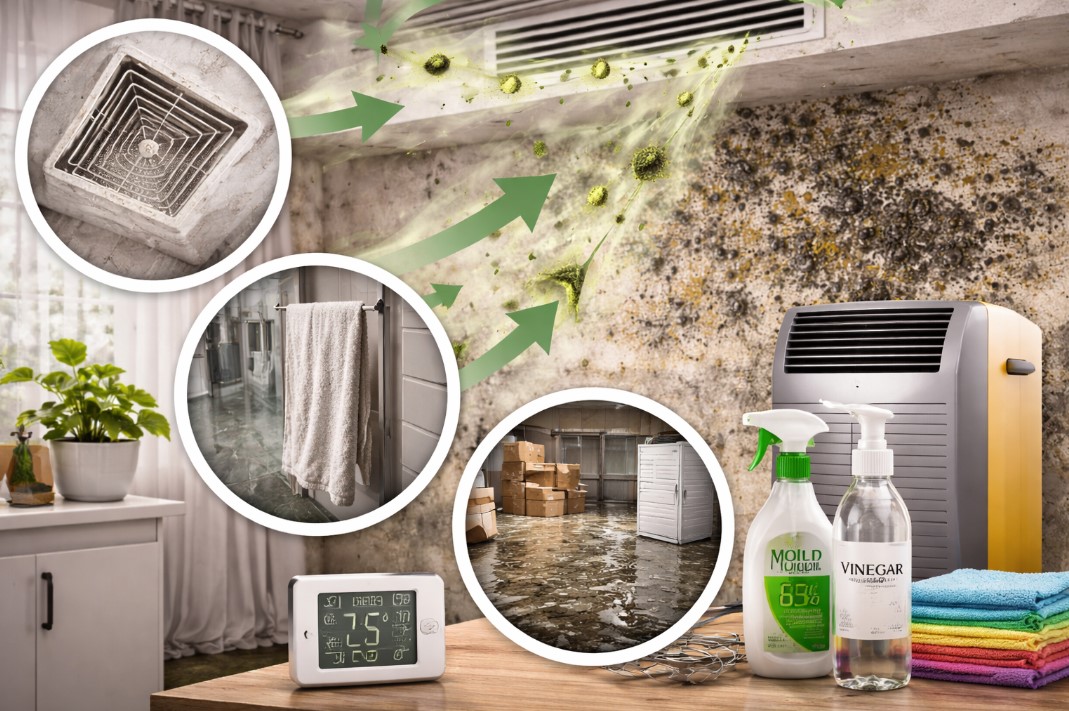
If you’re wondering how does mold spread in a house so quickly, the answer lies in how easily its spores hitch a ride. Mold spores are microscopic—impossible to see and light enough to float on air drafts, ride HVAC currents, or settle wherever they land. When you open a window, run your central air, or even just walk around, you might be helping those spores find new places to grow.
Shoes, pets, and bags can also pick up spores from outside and bring them in, especially if you’ve been out in the garden or near damp landscaping. In multi-unit buildings like condos and apartments, shared air vents and walls can let mold travel from one unit to another, making it tougher to control.
The pattern I keep seeing is that poorly ventilated spaces—think closets, attics, or storage corners—are often overlooked but prime real estate for mold. These areas stay humid longer because air doesn’t move through them, giving spores a chance to settle and thrive.
A simple way to cut down tracked-in spores is to use sturdy doormats and leave shoes at the door. If you spot visible mold spreading into multiple rooms or growing in your HVAC system, that’s your cue to stop and call in a professional. DIY cleaning isn’t enough for widespread issues, and missing hidden mold can make things worse.
The Role of Ventilation: Keeping Moisture in Check
Good ventilation is one of the most effective mold prevention tips you have as a homeowner. In San Diego, natural airflow helps lower indoor humidity, but it’s not always easy to achieve—especially when marine layers keep things damp outside or you’re trying to keep out heat and dust inland.
Exhaust fans are your best friend in bathrooms, kitchens, and laundry rooms. These pull moist air out of the house, stopping condensation before it can settle on walls or ceilings. Just make sure those fans vent directly outside, not into your attic or crawl space. Opening windows can work wonders after a shower or while cooking, but if you’re on the coast during a foggy spell, you’ll want to balance fresh air with the risk of bringing more dampness inside.
Air purifiers equipped with HEPA filters can help trap airborne mold spores, especially if allergies are a concern or you’re in a high-risk area. Regularly running your exhaust fans during and after moisture-heavy activities is a habit that pays off quickly—just check now and then to ensure they’re clear and functional.
And this is where it gets interesting: blocking or covering air vents, even to save energy, can actually backfire by trapping moisture and creating a hidden mold problem. Always keep vents clear to allow proper airflow and avoid other household hazards.
Fast Action Steps to Prevent Mold After Moisture Events
Mold loves a slow response. The key to stopping mold growth is acting fast whenever there’s a leak, spill, or unexpected water event. If you catch a water issue, aim to dry the area within 24 to 48 hours—whether it’s a soaked carpet, dripping wall, or puddle on your hardwood floor.
Use fans and dehumidifiers to speed things up, especially after “June Gloom” or a rare rainy day leaves the air heavy and surfaces damp. If drywall, insulation, or ceiling tiles get soaked and can’t dry quickly, it’s best to remove and replace them before mold gets a foothold. Keep an eye (and nose) out for musty odors, which often point to hidden moisture you can’t see.
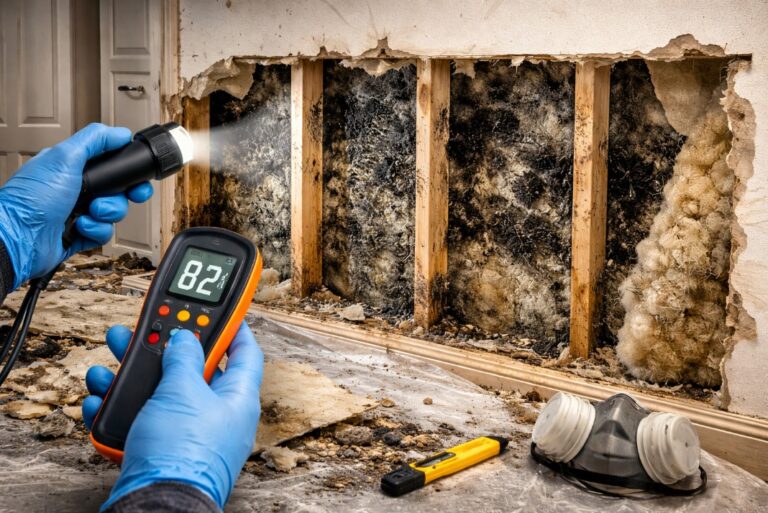
After any leak or spill, run a dehumidifier and check for lingering dampness with a moisture meter, which you can find at most hardware stores for $20–$40. The sooner you act—ideally within the first 24 hours—the lower your risk for a mold outbreak.
When to Call a Pro: Large or Hidden Mold Problems
San Diego’s mix of older homes, coastal condos, and rental units means not every mold problem is a DIY fix. If you find mold covering more than 10 square feet, or if you suspect it’s hiding in your HVAC system or behind walls, it’s time to call a licensed professional.
What surprised me most is how often people ignore persistent musty smells, thinking it’s just the “old house” scent. In reality, these odors may indicate hidden mold or moisture issues that need expert attention. Renters should document any mold or water issues and notify their landlord or property manager right away—it’s their responsibility to address it. Condo owners, check your HOA guidelines before making repairs or hiring contractors, as shared walls and systems may require special handling.
If you’re not sure what’s lurking behind the walls or under the floors, get a licensed mold inspector for a full assessment. Don’t risk your health or your home’s structure by tackling large or hidden mold issues on your own.
Official Guidance: Mold & Moisture Control
- Fix plumbing leaks and other water problems as soon as possible (EPA Mold Guidelines).
- Keep indoor humidity below 60%, ideally between 30% and 50% (CDC Mold Prevention).
- Use exhaust fans in bathrooms and kitchens (EPA Mold Guidelines, CDC Mold Prevention).
- Dry wet areas (carpets, walls, floors) within 24–48 hours (EPA Mold Guidelines).
- Discard porous materials like ceiling tiles or insulation if they remain wet (EPA Mold Guidelines).
- Do not mix cleaning products like bleach and ammonia (CDC Cleaning Safety).
Sources Note
Sources include the U.S. Environmental Protection Agency (EPA), Centers for Disease Control and Prevention (CDC), and California Department of Public Health.
This article is for informational purposes only; for confirmed mold or moisture issues, consult a qualified specialist.
FAQ
What causes mold to spread so fast in San Diego homes?
Mold spreads quickly when indoor moisture isn’t controlled—coastal fog, marine layer, and older windows or roofs can all contribute to damp conditions that help mold spores settle and grow.
How do I stop mold from coming back after cleaning?
Address the underlying moisture problem—fix leaks, improve ventilation, and dry wet spots quickly, or mold will keep returning no matter how often you clean.
Can mold spread through air vents or HVAC systems?
Yes, mold spores can travel through HVAC ducts and vents, especially if the system is contaminated or moisture builds up inside.
What are the first signs of mold growth in a house?
Look for persistent musty odors, discoloration on walls or ceilings, and any area that stays damp for more than a day.
How long does it take for mold to spread after a leak?
Mold can start to grow within 24 to 48 hours of a moisture event if wet areas aren’t dried quickly.
Is it safe to clean mold myself, or should I call a pro?
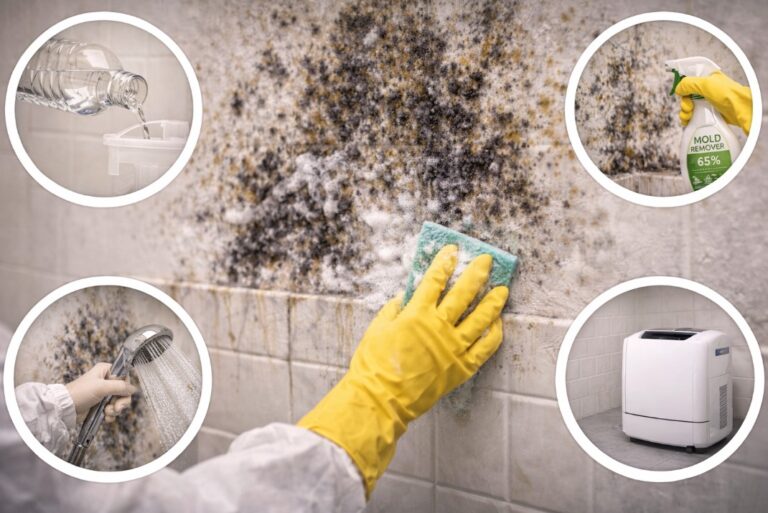
Small mold patches (less than 10 square feet) can often be cleaned with proper safety gear, but larger or hidden mold problems should be handled by a professional.
Does coastal fog or marine layer increase mold risk?
Yes, these weather patterns can raise indoor humidity and condensation, especially in homes close to the coast, increasing the risk for mold growth.
How can I check for hidden moisture behind walls?
Use a moisture meter or consult a professional inspector—musty smells or peeling paint may also hint at hidden dampness.
CTA Block
- Schedule a moisture inspection if you notice persistent dampness or musty smells.
- Add a weekly “moisture patrol” to your home maintenance routine to catch small problems early.
- Contact a local mold remediation expert for fast help if you spot widespread or recurring mold.