Mold Removal Made Easy: Step-by-Step Guide to a Healthier Home
Getting rid of mold safely means finding the source of moisture and tackling it head-on. The most effective mold removal isn’t just about scrubbing away stains—it’s about stopping leaks, improving ventilation, and keeping your home dry.
For San Diego homeowners and renters, mold is a common challenge. From coastal neighborhoods with marine fog and June Gloom to older inland homes with aging plumbing, excess moisture is a year-round risk. Addressing mold quickly protects your home’s value, your family’s health, and your peace of mind.
Quick Answer Block
- Identify and fix the moisture source before cleaning mold.
- Wear gloves, N95 mask, and goggles for personal safety.
- Clean small mold spots (<10 sq. ft) with detergent and water.
- Discard porous items (carpet, ceiling tiles) if moldy.
- Dry all cleaned areas completely within 24–48 hours.
- Call a professional for large, hidden, or recurring mold problems.
Why Mold Grows in San Diego Homes
Mold grows in San Diego homes because moisture from coastal fog, the marine layer, and June Gloom can raise indoor humidity, while older homes and condos often have leaks or poor ventilation. If you live near the coast, those cool, damp mornings add extra moisture to your indoor air, especially if windows stay closed. Inland, the heat drives up air conditioning use, and that can lead to condensation on windows and walls—another perfect spot for mold to settle in.
The pattern I keep seeing is that older properties, whether single-family homes or condos, tend to hide slow leaks behind walls or under floors. Even a small drip under a bathroom sink or a poorly sealed window can let enough water in to fuel a mold problem. And if your place has a crawl space or attic, these tucked-away spots are notorious for moisture buildup.
You might notice mold first on window sills, bathroom ceilings, or behind furniture pushed up against exterior walls. But remember, visible mold is only the tip of the iceberg. Mold is just a symptom—moisture is the root cause. Here’s what you can do right now: inspect your windows, bathrooms, and kitchen for water stains, condensation, or soft spots. Catching these signs early makes mold removal much easier in the long run.
Safe Mold Removal: Step-by-Step Process
When tackling mold removal in your San Diego home, always start by protecting yourself and controlling the moisture problem. Put on an N95 mask, gloves, and goggles before you do anything else—these simple tools keep spores out of your lungs and off your skin. If the moldy area is small (less than 10 square feet), you can likely handle it yourself, but anything bigger should be left to the pros.
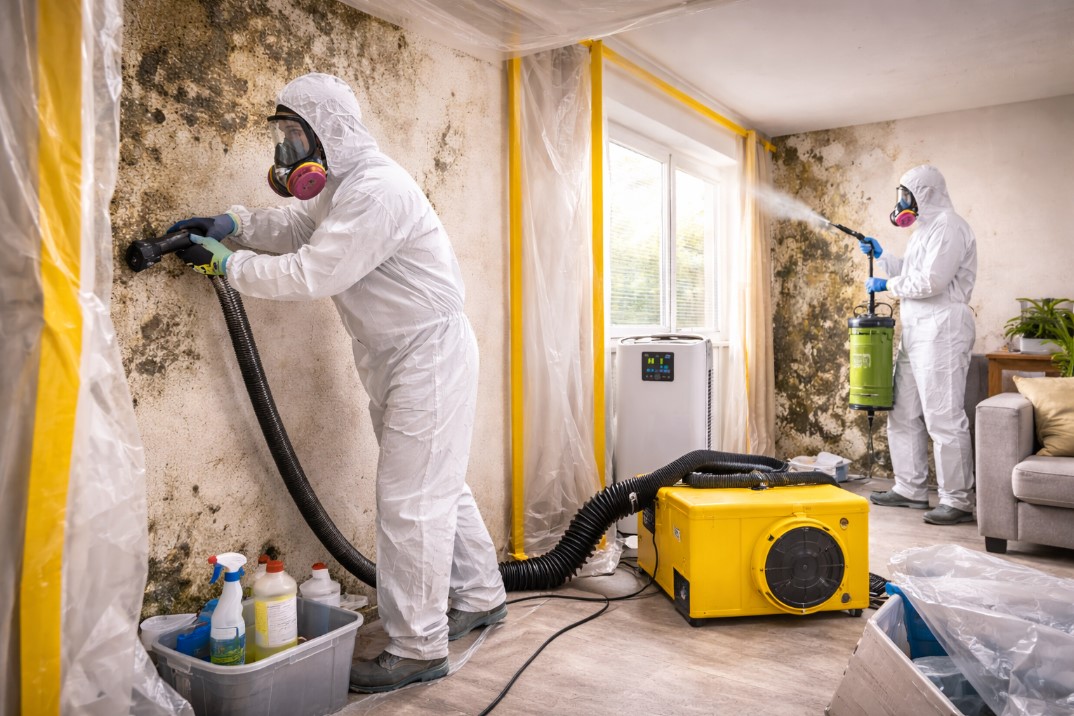
First, consider containing the affected area with plastic sheeting if you’re dealing with more than a patch or two. This helps prevent spores from drifting to other parts of your house. Open a window or run an exhaust fan to ventilate the space, especially if you’re cleaning in a bathroom or kitchen.
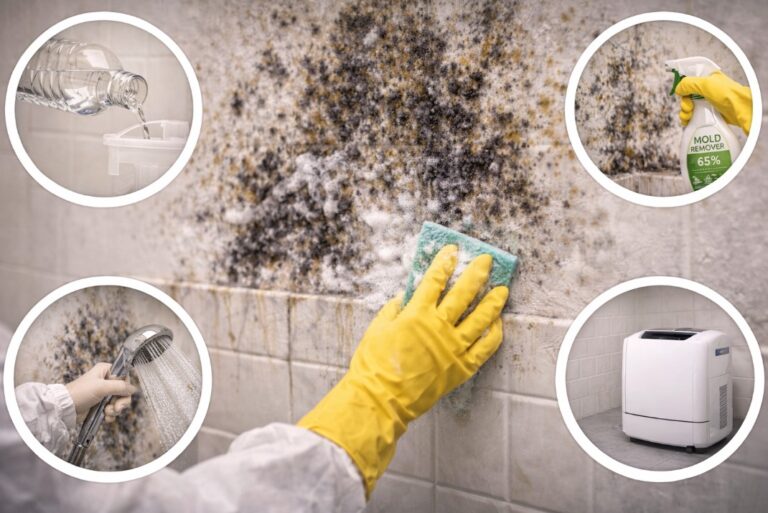
Next, use regular detergent and water to scrub hard, non-porous surfaces—think tile, glass, or painted walls. Bleach isn’t always necessary, and you should never mix it with ammonia or other cleaners due to toxic fumes. If you spot mold on carpet, ceiling tiles, or other porous materials, those usually need to be thrown out. Mold roots can grow deep into soft materials, making them nearly impossible to clean fully.
Drying is just as important as cleaning. Use fans, dehumidifiers, or open windows to dry the area within 24–48 hours. If you skip this step, mold is almost guaranteed to return. Here’s what surprised me most: many people clean the visible mold but don’t fix the leak or dry the area fully, so the problem keeps coming back.
Before starting, gather all your safety gear and cleaning supplies. Having everything ready helps you work efficiently and reduces the risk of spreading mold around.
Safety note: Mold exposure can cause health issues, especially if you have allergies or asthma. Always use PPE and ventilate the area while you work.
Moisture Control: The Key to Lasting Results
To make your mold removal work last, you need to control moisture at the source. In San Diego, a leaky roof after a rare rainstorm or a slow drip from aging plumbing is all it takes to start a mold colony behind your walls. That’s why it’s crucial to find and fix leaks in roofs, pipes, or windows as soon as you spot them.
Use exhaust fans in bathrooms and kitchens every time you shower or cook. For persistent humidity, especially in coastal neighborhoods, a dehumidifier can make a big difference. Target indoor humidity below 50%—a digital hygrometer costs about $10–$30 and gives you a reliable reading.
Airflow is another piece of the puzzle. Closets, attics, and crawl spaces are mold magnets if air gets stagnant. Leave closet doors slightly open, or use a small fan in stuffy areas. If you rent, document any leaks or ventilation issues and notify your landlord right away. For condo owners, check with your HOA before making any changes to shared systems.
What surprised me most is how fast mold can grow when moisture isn’t addressed. If you spot a leak or water stain, act within 24–48 hours to clean and dry the area. Waiting longer gives mold a head start.
Make it a habit to check for and repair plumbing leaks or water stains every season. A few minutes now can save you a major cleanup later.
0–24–48h timeline: Address leaks immediately and dry wet areas within 24–48 hours to keep mold from coming back.
When to Call a Professional
You should call a professional for mold removal if the affected area is larger than 10 square feet, mold keeps coming back after cleaning, or you can’t find the source of the moisture. In San Diego, older homes and condos sometimes have hidden hazards like asbestos or lead paint, which require special handling—don’t disturb suspect materials yourself.
If you find mold inside your HVAC system, behind walls, or notice a musty smell that won’t go away, these are signs you need expert help. Mold after floods or sewage backups is always a job for professionals, since contaminated water brings extra health risks.
Another clear sign: you or anyone in your home experiences worsening allergies, asthma, or other symptoms when mold is present. Even then, mold may be linked to health effects for some people, but only a professional can fully assess the risk.
Here’s where it gets interesting—sometimes, small recurring patches of mold are actually caused by a moisture problem you can’t see. If you’ve cleaned thoroughly and mold reappears, don’t ignore it. Get a professional mold assessment so you’re not just treating the symptoms.
If you’re a renter or condo owner, check your lease or HOA rules before authorizing any major mold remediation. For hidden mold, health symptoms, or special risks like asbestos, always go with a certified professional.
Checklist reminder: Get a professional mold assessment if you can’t find the moisture source or if mold keeps coming back.
Preventing Mold in San Diego’s Climate
Keeping mold out of your home in San Diego’s variable climate means taking proactive steps, whether you’re right next to the beach or further inland. On dry days, open windows for at least 10–15 minutes to let fresh air circulate and bring down indoor humidity. During humid months, especially when the marine layer lingers, use your AC and dehumidifiers to keep the air dry.
Seal exterior gaps and cracks after heavy rains, paying special attention to window frames, door thresholds, and the base of exterior walls. Regularly inspect under sinks, around windows, inside garages, and other spots where leaks or condensation might hide. The checklist item here is simple but effective: schedule seasonal home checks for leaks, condensation, and ventilation issues. Put reminders on your phone or calendar so you don’t forget.
For condo dwellers and renters, coordinate with your HOA or landlord for building-wide solutions. Sometimes, shared walls or roofing can harbor moisture problems that affect multiple units. Don’t try to fix these alone—work with your building manager or HOA board for proper repairs.
And this is where it gets interesting—many long-term mold problems in San Diego homes trace back to overlooked seasonal changes. June Gloom, winter rains, and summer heat waves all change how moisture moves through your home. Staying ahead of these shifts makes mold prevention much easier.
Official Guidance
The U.S. Environmental Protection Agency (EPA Mold Guidelines) recommends that you clean up small mold problems (less than 10 square feet) yourself, but hire professionals for larger or hidden issues. The most important step is to fix the moisture problem first—mold will return if you don’t, according to both the EPA and CDC.
The CDC advises always wearing proper personal protective equipment—like gloves, N95 masks, and goggles—to avoid health risks. If carpet, ceiling tiles, or other absorbent materials are moldy and can’t be cleaned, the EPA suggests discarding them. All cleaned areas should be dried completely within 24–48 hours to prevent regrowth (CDC). Never mix bleach with ammonia or other cleaners, as this creates toxic fumes (EPA).
Sources Note
Sources include the U.S. Environmental Protection Agency (EPA), Centers for Disease Control and Prevention (CDC), and California Department of Public Health.
This article is for informational purposes only and is not a substitute for professional advice—consult a mold remediation specialist for confirmed or severe mold issues.
FAQ
How do I remove mold from bathroom walls safely?
Start by wearing gloves, an N95 mask, and goggles. Scrub the area with detergent and water, then dry it completely. If mold covers a large area or keeps coming back, call a professional.
What causes mold to keep coming back after cleaning?
If mold returns, the underlying moisture problem wasn’t fixed. Check for leaks, condensation, or poor ventilation and address these before cleaning again.
Can I clean mold myself, or do I need a professional in San Diego?
You can clean mold yourself if the area is smaller than 10 square feet and not hidden inside walls or HVAC. For larger, recurring, or hidden problems, or if you suspect asbestos or lead, hire a professional.
How do I find hidden moisture problems in my home?
Look for water stains, soft spots, musty smells, or peeling paint. Use a moisture meter (about $20–$40) to check walls and floors. If you can’t find the source, consult a professional.
Is bleach the best cleaner for mold removal?
Bleach isn’t always necessary. The EPA recommends detergent and water for most hard surfaces. Never mix bleach with ammonia or other cleaning products.
How long does it take to dry out a moldy area?
Aim to dry cleaned areas within 24–48 hours. Use fans, open windows, or dehumidifiers for faster results.
What should I do if I find mold in my rental condo?
Document the issue with photos and notify your landlord or property manager right away. Don’t attempt major repairs yourself—follow your lease or HOA protocols.
Are there health risks to living with mold in San Diego homes?
Exposure to mold may be linked to allergies, asthma, and other symptoms in some people. Those with existing respiratory conditions are more at risk.
CTA Block
- Download a seasonal home moisture inspection checklist.
- Schedule a local mold/moisture assessment with a certified professional.
- Share your mold-removal success story or questions in the comments below.