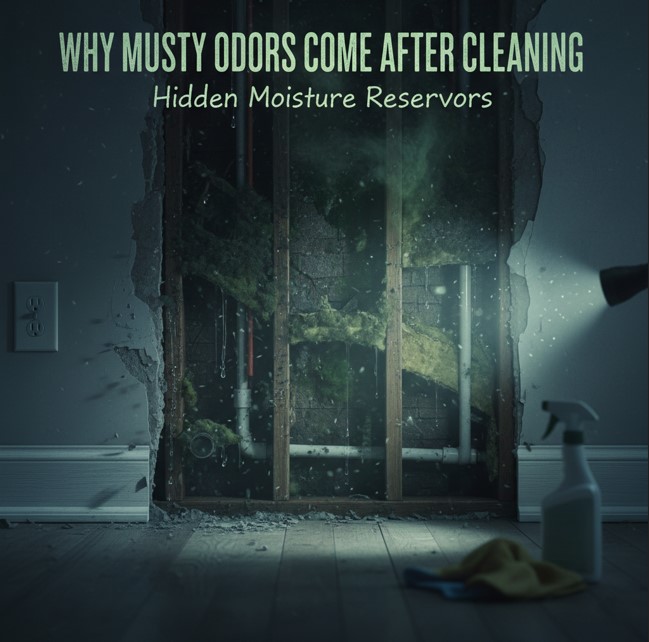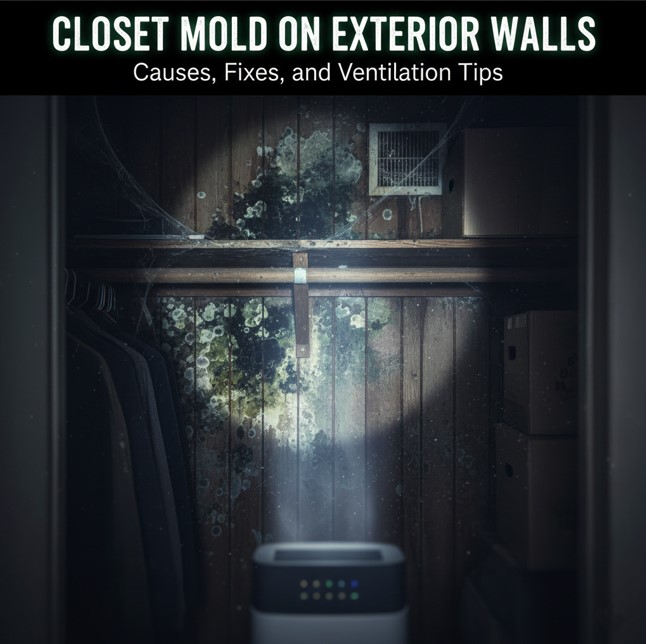
Many of us in San Diego have opened a closet door only to find a musty odor, spots on the wall, or even full-blown mold growing behind our shoes and jackets. This issue is especially common on exterior walls, whether we live blocks from the beach or in the drier inland suburbs. Between the marine layer in coastal neighborhoods, “June Gloom” mornings, and the dry heat inland, closet mold on exterior walls is a sneaky but solvable problem. Understanding why closets are vulnerable and what we can actually do about it—whether we own, rent, or manage a condo—makes all the difference for long-term comfort and safety.
Why Mold Grows on Closet Exterior Walls in San Diego Homes
Mold loves moisture, and exterior closet walls in San Diego can be a perfect breeding ground. Why? These walls are exposed to outdoor temperature swings. On foggy coastal mornings, the marine layer can drive up humidity, while inland homes often face hot days and cool nights, creating condensation inside our walls. This is called thermal bridging: cold, poorly insulated walls meet warm indoor air, and moisture forms on the wall’s surface—especially inside closets, where air barely moves.
Older stucco homes are notorious for letting moisture seep in, while newer builds may still have insulation gaps or HVAC imbalances. Closet clutter—think stacked boxes, tightly packed coats, and shoes—presses against the wall, trapping moisture and blocking airflow. If there’s a plumbing line in or near that wall (such as a shower valve leak behind the closet), or a slow window or stucco leak, the problem multiplies.
We’ve seen this first-hand in everything from classic bungalows in Point Loma to modern condos in Mission Valley. Often, the first sign is a musty whiff or a cold, damp spot behind stored items.
Today’s task: Open your closet and check the exterior wall. Move clothes and boxes aside. Feel for cold or damp patches, sniff for musty odors, and look for any discoloration or speckling—especially in corners and along baseboards.
How to Identify Moisture and Mold Problems in Closets
Early detection is our best defense. Start with your senses: visually inspect closet walls, especially where they meet the floor and in corners. Look for fading, yellow or brown stains, peeling paint, or warped baseboards. A telltale musty odor—especially after a foggy morning or heavy rain—is another strong clue. Sometimes, the only symptom is that unmistakable “old house” smell after damp weather.
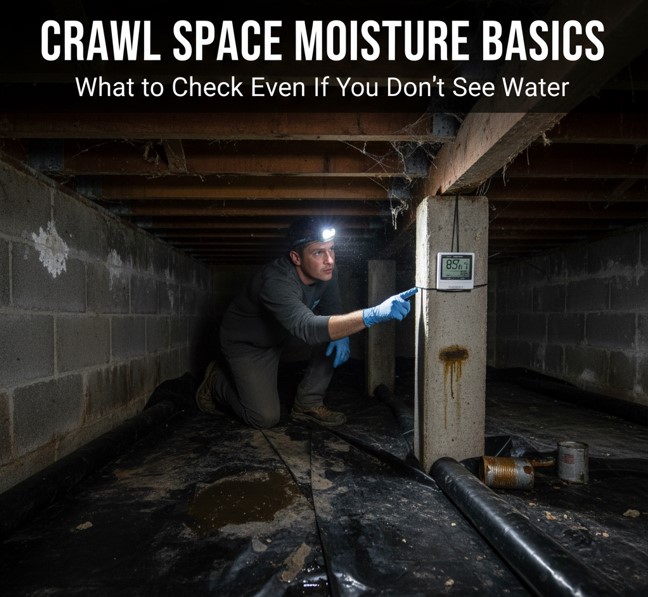
Let’s use the right tools. A basic hygrometer (think of it as a humidity thermometer, available for $10–$20) tells us if the air in our closet is staying above 60% relative humidity (RH). Ideally, we want to keep indoor humidity between 30–50%. If we see readings regularly above 60%, it’s time to act. For suspicious damp spots, a moisture meter can check if drywall or baseboards are wet inside.
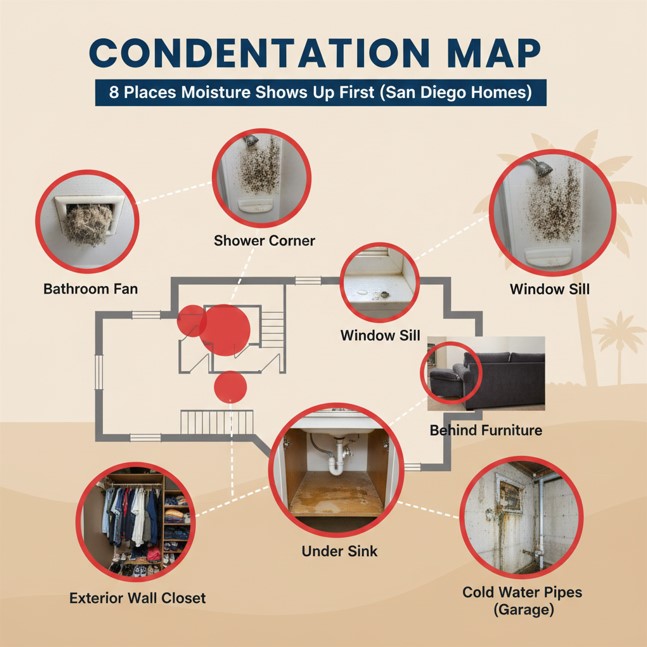
Common problem spots include the lower corners of closets, behind shoe racks, or near the wall that faces outdoors. Don’t forget to check the ceiling—especially if the closet sits under a bathroom or along a roofline. In condos and apartments, plumbing from neighboring units can be a hidden culprit, and HOA rules may limit what repairs we can do ourselves.
If we spot green or black patches greater than 10 square feet, or the area was soaked during a water event, it’s best to call a mold inspector. Large outbreaks or contaminated water (from roof leaks or plumbing failures) require professional containment and cleanup.
Closet Mold Inspection Checklist
1. Move all items a few inches away from exterior walls.
2. Shine a flashlight along the wall and baseboard seams.
3. Run your hand along the wall—does it feel cool or damp?
4. Check the closet ceiling for stains or bubbling paint.
Today’s task: Buy an inexpensive hygrometer and set it in your closet. Track humidity daily for a week—if it’s consistently over 60% RH, plan for immediate action.
What to Do if You Find Moisture or Mold (0–24–48 Hour Action Plan)
If we spot a leak or mold, time is of the essence. The EPA recommends drying water-damaged areas and items within 24–48 hours to reduce mold risk. Here’s how we tackle it:
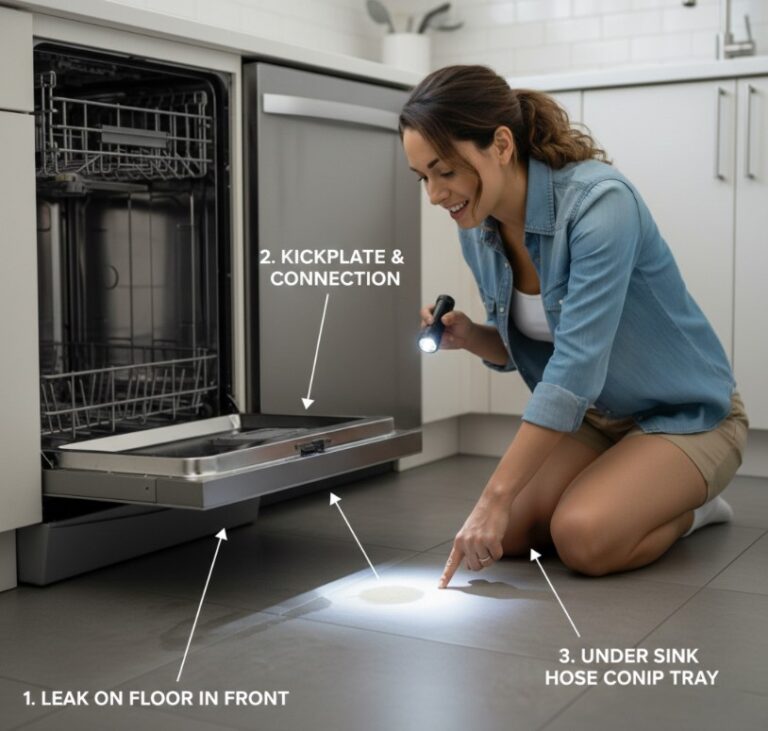
0–24 hours: First, stop the water source if it’s an active leak—check for under-sink drips, toilet leak signs, or evidence of a shower valve leak behind the wall. Remove all wet items, including boxes, shoes, and clothes. Open the closet doors and windows to maximize airflow. Set up a fan (or two) to keep air moving. If we have a dehumidifier, run it in the closet to start removing excess moisture.
24–48 hours: Dry the area thoroughly. Use towels to soak up any water, and consider removing baseboards if they’re soaked. Check adjacent rooms for additional moisture or mold—water often travels along framing. For renters, take photos of all visible damage and notify the landlord immediately; documentation is key for insurance or deposit concerns. Condo owners should check with their HOA for repair procedures, especially if the problem may affect shared walls or plumbing.
We can safely clean small, surface-level mold patches (less than 10 square feet) on hard, non-porous materials using detergent and water, while wearing gloves and an N95 mask. Avoid harsh chemicals unless the manufacturer recommends them. If mold covers drywall, carpet, or insulation (porous materials), or if the area is larger, call a professional for assessment. Never attempt to clean up sewage leaks or large outbreaks yourself.
DIY vs. Call a Pro Decision Points
– DIY: Minor surface mold (under 10 sq ft), clean water event, no health concerns.
– Pro: Moldy drywall or insulation, sewage water, recurring leaks, building management required.
Today’s task: After any leak or suspected water event, run a fan pointed at the affected closet for at least 24 hours. Place a dry towel at the base of the wall and check after a day—any new dampness means the area isn’t fully dry, or there’s an ongoing leak.
Fixing the Source: Moisture Control and Ventilation for Closets
Long-term mold control is about fixing the source, not just cleaning the mess. The first step is to identify why that wall stays damp. Is there a plumbing line running through it? Do we see condensation on windows nearby after cold nights? Is the closet packed so tightly that air barely circulates?
Improving airflow is often the quickest fix. Swapping solid closet doors for louvered or vented ones, or undercutting the bottom by half an inch, lets air move freely. If that’s not possible (common in condos or rentals), leaving the door open for a few hours a day, especially after showers or foggy mornings, helps a lot.
During “June Gloom” or rainy weeks, a portable dehumidifier or moisture absorber (like DampRid or silica gel) can keep closet humidity in check. In older homes, adding or upgrading insulation on exterior walls may be a worthwhile investment, but that’s a bigger project.
Don’t forget the HVAC system. Sweating AC ducts, a clogged condensate line, or a broken bathroom exhaust fan (test its CFM by holding a tissue to the grill—it should stick) all contribute to high closet humidity. Never vent a bathroom or dryer into the attic; always route moisture outdoors. For renters, request maintenance or ventilation upgrades in writing.
Closet Ventilation Upgrades
1. Install louvered or vented closet doors.
2. Use moisture absorbers or a small dehumidifier.
3. Set a timer to open closet doors daily.
4. Confirm nearby dryer or bath vents aren’t leaking into the closet or attic.
Today’s task: Prop open your closet doors for a few hours, especially after showering or on foggy coastal mornings, to boost airflow and reduce condensation risk.
Preventing Future Closet Mold: San Diego-Specific Tips
Staying mold-free is all about habits and seasonal awareness. Along the coast, monitor closet humidity during spring and summer when marine layer and June Gloom bring daily moisture. Inland, pay special attention in winter, when cool nights can cause condensation on poorly insulated exterior walls.
Declutter regularly—move shoes and boxes at least 2–4 inches away from exterior walls. This simple step allows air to circulate and makes early detection easier. Once a year, inspect closet walls for cracks, peeling paint, or water stains; check the baseboards and flooring for new marks. In condos and apartments, coordinate with your HOA or landlord to address recurring leaks or shared plumbing issues.
Internal resources can help: see our Pillar Guide: Moisture Control for San Diego Homes, How to Detect Hidden Leaks in Walls and Floors, and Ventilation Upgrades for Older San Diego Homes for deeper dives.
Annual Closet Maintenance Tasks
1. Inspect exterior walls for cracks or peeling paint.
2. Check baseboards and flooring for stains.
3. Clean and air out closets at least once per season.
4. Test closet humidity with a hygrometer each year.
Today’s task: Move all shoes, boxes, and storage bins at least 2–4 inches away from the exterior wall to allow airflow and spot problems early.
FAQs
What causes mold to grow on closet exterior walls?
Mold thrives where there’s trapped moisture—cold exterior walls, poor insulation, and restricted airflow are common culprits. Leaks, condensation, and clutter make it worse.
Is closet mold more common near the beach or inland in San Diego?
Both areas face risks: coastal homes get marine layer and June Gloom moisture, while inland homes see condensation from temperature swings. The real driver is moisture and lack of ventilation, not just geography.
How can I tell if humidity is too high in my closet?
Use a hygrometer. If relative humidity (RH) is consistently above 60%, the risk of mold rises. Aim for 30–50% RH.
What should I do if I find mold in my closet?
Act fast: stop any leaks, remove wet items, ventilate, and start drying within 24–48 hours. Clean minor surface mold safely; call a pro for large or recurring outbreaks.
Can I clean closet mold myself or do I need a professional?
Small, surface-level mold on hard surfaces can be cleaned with detergent and water while wearing gloves and a mask. For larger outbreaks, porous materials, or contaminated water, hire a professional.
How do I improve closet ventilation in a small condo or apartment?
Leave doors open when possible, use moisture absorbers, and ask your landlord or HOA about installing louvered doors or improving nearby exhaust fans.
Are there quick fixes for closet mold prevention?
Yes: declutter, leave doors open, use a hygrometer, and place items away from exterior walls. Address leaks or dampness immediately.
Is closet mold a sign of a bigger problem in my home?
It can be. Persistent closet mold may point to insulation gaps, hidden leaks, or HVAC issues elsewhere. Investigate and address the root cause.
Ready to take action?
Do the 10-minute closet moisture checklist today. Track closet humidity for 7 days with a hygrometer. If you spot leaks or mold, document with photos and contact your landlord, HOA, or insurance as needed. Small changes now can make a big difference for your home’s health and comfort.