Mold is a type of fungus, but not all fungi are mold. Mold thrives in damp, humid environments and can directly impact indoor air quality and health, while other fungi may not pose the same risks inside your San Diego home.
For homeowners in San Diego, understanding the difference between mold and other fungi matters. The area’s mix of coastal fog, periodic marine layers, and older housing means moisture problems—and their consequences—aren’t uncommon. Knowing what you’re dealing with can help you pinpoint the source of persistent odors, stains, or even allergy-like symptoms, ensuring you choose the right solution for your property.
- Mold is a specific type of fungus commonly found indoors, especially in moist areas.
- Not all fungi are mold; fungi include mushrooms, mildew, and yeasts.
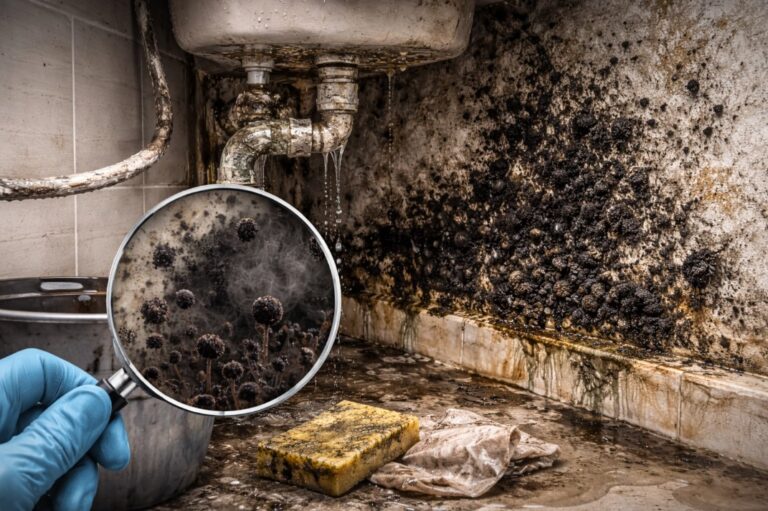
- Mold often appears as fuzzy, colored patches on walls, ceilings, or fabrics.
- Both mold and other fungi can affect health, but mold is the main concern in homes.
- Moisture is the root cause behind indoor mold growth, not just the presence of spores.
- San Diego’s climate (coastal humidity, inland heat) creates ideal conditions for mold if moisture isn’t controlled.
What’s the Difference Between Mold and Fungus?
Mold is a subset of the much larger fungi kingdom, which also includes mushrooms, yeasts, and other organisms. While “fungus” is the broad umbrella, “mold” specifically refers to a group of filamentous fungi that grow as multicellular threads called hyphae. These hyphae form fuzzy, expanding colonies—the familiar patches you might spot on wallboard, window sills, or forgotten leftovers.
The pattern I keep seeing is that homeowners often confuse mildew and mold, or assume all fuzzy growths are the same. Mildew is actually a specific type of mold, typically white or gray with a powdery texture, and it often grows on damp surfaces like shower grout or windowsills. Other fungi, like mushrooms, may appear outdoors or in potted plant soil but are rarely found on building materials indoors.
In a home setting, mold is usually the culprit behind black, green, or brown stains, especially if the affected area feels soft, smells musty, or recurs after cleaning. Fungi like mushrooms or yeast may thrive in overwatered plant pots or decaying wood, but they don’t typically spread across drywall or fabric.
Actionable Checklist:
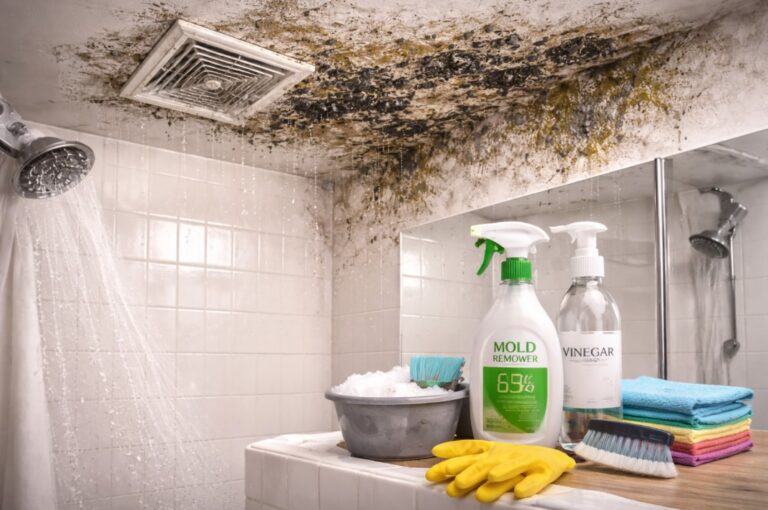
Check for visible fuzzy or discolored patches in damp areas—bathrooms, window sills, and under sinks are common hotspots, especially in older San Diego homes where ventilation may be lacking.
Why Mold Is a Bigger Issue Indoors
Mold stands out among fungi because its airborne spores are easily inhaled, posing a direct risk to indoor air quality and health. While most household fungi need specific conditions to thrive, mold only needs moisture and something organic to feed on—like wood, drywall, or dust. That’s why it’s a frequent guest in San Diego’s older condos and houses, where plumbing or roof leaks aren’t uncommon.
Here’s what I noticed: mold health effects are much more widely reported than issues from other fungi. Mold exposure in the home can trigger allergies, worsen asthma, and cause respiratory irritation, especially in children, seniors, and those with preexisting sensitivities. These effects are much less common with other fungi you may encounter indoors, like mushrooms or yeasts.
Moisture is always the root cause. Without it, mold simply can’t take hold, regardless of how many spores are present. That’s why managing humidity—especially during San Diego’s June Gloom or after marine layer events—is so important. Aiming to keep indoor humidity below 60% and quickly addressing leaks can make all the difference.
Checklist Item:
Monitor humidity with an inexpensive hygrometer (usually $10–$20) and fix leaks or condensation immediately. If you see mold covering more than 10 square feet, consider a professional assessment for safe removal.
Where Are You Likely to Find Mold and Other Fungi in San Diego Homes?
Mold loves damp, poorly ventilated spaces. In San Diego homes, bathrooms, kitchens, laundry rooms, garages, and windows prone to condensation are frequent mold hotspots. The city’s coastal climate—with its fog, marine layer, and seasonal humidity—means moisture lingers longer, giving mold more time to grow.
And this is where it gets interesting: even inland areas, with their higher heat, can struggle with mold if air conditioning creates condensation or plumbing leaks go unnoticed. Other fungi, such as mildew or even small mushrooms, might pop up in potted plants, attics, or shaded outdoor areas. However, these are less likely to affect your home’s indoor air quality—unless plant soil stays soggy or attics remain unventilated after rain.
Older homes and condos, especially those built before modern building codes, are particularly vulnerable to hidden leaks and ventilation gaps. These issues create the perfect storm for recurring mold growth, especially during rainy seasons or after heavy coastal fog.
Checklist Item:
Inspect high-moisture zones monthly, especially after rain, fog, or periods of high humidity. Pay close attention to bathrooms, under sinks, around windows, and in laundry areas. If a spill or leak occurs, dry the area within 24 hours—mold can start growing in as little as 24–48 hours in ideal conditions.
Health Effects: Mold vs. Other Fungi
Health impacts from indoor fungi aren’t all the same. Mold is the main concern because its spores are released into the air and easily inhaled, leading to symptoms like nasal stuffiness, sneezing, itchy eyes, aggravated asthma, and even skin irritation. In rare cases, particularly with black mold (Stachybotrys chartarum), more severe reactions can occur, though this species is less common in San Diego than internet myths suggest.
Most other fungi you might find indoors—such as mushrooms or non-mold yeasts—are less likely to affect your health unless ingested or present in large numbers, and generally pose a risk only for individuals with weakened immune systems. For the average San Diego family, the real health concern is mold, especially for children, seniors, and those with allergies or asthma.
What surprised me most was how often people attribute vague symptoms to “allergies” without considering hidden mold. If you notice musty odors, worsening allergies, or visible mold, don’t dismiss them—persistent moisture is almost always the underlying cause.
Checklist Item:
If unexplained allergy symptoms, musty odors, or visible mold appear, investigate for leaks or condensation right away. Consult a specialist if you can’t pinpoint or resolve the issue.
Common Myths: Mold, Mildew, and Fungus
Mold, mildew, and fungus are terms often used interchangeably, but there are key differences and plenty of misconceptions. One common myth is that “bleach kills mold completely.” In reality, bleach may remove surface stains, but it doesn’t address underlying moisture or always eliminate mold roots—especially on porous materials like drywall. Cleaning with detergent and water is more effective for small areas, as the EPA Mold Guidelines confirm.
Another myth is that “mold can grow on any surface.” Mold needs both moisture and organic material, such as wood, paper, or dust—so it won’t thrive on bare metal or glass unless there’s a layer of grime.
Many people confuse mildew with other fungi. Mildew is simply a type of mold, usually lighter in color and found on flat, damp surfaces. Other fungi—like the mushrooms sprouting in a potted plant—are usually harmless and don’t contribute to indoor air issues.
The confusion often leads homeowners to ignore fungi growing on houseplants or outdoors, fearing it could cause health problems. In reality, unless the spores are spreading indoors, these are unlikely to impact your air quality.
Checklist Item:
If you notice a musty smell, don’t just mask it with air fresheners. Investigate further—odor is a signal, not a solution.
Official Guidance: What Do the Experts Say?
The Centers for Disease Control and Prevention (CDC) emphasizes the importance of controlling indoor humidity and repairing leaks promptly to prevent mold growth. According to the Environmental Protection Agency (EPA), small mold patches (less than 10 square feet) can be cleaned with detergent and water, not just bleach. For larger infestations, the EPA recommends hiring a certified mold professional.
The California Department of Public Health (CDPH) also stresses ventilation, especially during San Diego’s marine layer or foggy periods, as a preventive measure against mold buildup. Both CDC and EPA agree: managing moisture is the foundation of mold prevention—visible mold is just the symptom, not the root problem.
Sources Note
Sources for this article include the Centers for Disease Control and Prevention (CDC), the Environmental Protection Agency (EPA), and the California Department of Public Health. The content is provided for informational purposes only and should not be considered a substitute for advice from a licensed environmental or health specialist.
FAQ
Is mold the same as fungus?
Mold is a type of fungus, but not all fungi are mold. Fungi also include mushrooms, yeasts, and mildews.How can I tell if I have mold or another type of fungus in my home?
Mold usually appears as fuzzy or slimy patches in damp areas, often in colors like black, green, or brown. Other fungi, such as mushrooms, are more likely to grow in soil or decaying wood.What does mold look like compared to mildew?
Mold often appears darker (black, green, brown) and fuzzier, while mildew is usually white or gray and powdery, often found on flat surfaces.Can other fungi in my house make me sick, or is it just mold?
Mold is the main indoor air quality concern; other fungi rarely cause health problems unless ingested or if someone is immune-compromised.Do coastal San Diego homes have more mold problems than inland areas?
Coastal homes are more prone to mold due to higher humidity and frequent fog, but inland homes can also develop mold if leaks or condensation aren’t controlled.How quickly does mold grow after a water leak?
Mold can begin to grow within 24–48 hours if moisture isn’t dried out quickly.Are there safe DIY ways to remove mold, or should I always call a pro?
Small patches (less than 10 sq ft) can usually be cleaned with detergent and water. For larger areas or recurring problems, consult a certified professional.What are the first signs of mold-related health problems?
Common early signs include nasal congestion, coughing, itchy eyes, and worsening allergies when indoors.
Take Action
- Inspect your home for leaks, condensation, and musty smells this week—especially after foggy or humid days.
- If you notice persistent moisture or visible mold, consult a local San Diego moisture control or mold specialist.
- Stay proactive: use bathroom fans, dehumidifiers, and regular maintenance to keep your home healthy.