Slab Foundation Homes: Where Water Shows Up and Why
San Diego’s climate can be deceiving. Along the coast, fog and marine layers roll in during June Gloom, draping neighborhoods with invisible moisture. Further inland, dry heat and sharp temperature swings dominate. Regardless of your ZIP code, if your home, condo, or rental is built on a slab foundation, moisture intrusion is a real concern. Unlike crawlspace or basement homes, slab-on-grade construction places living spaces in direct contact with the ground—making it crucial to know where water shows up, why it happens, and how to act fast to prevent mold.
Common Moisture Entry Points in Slab Foundation Homes
For slab foundation homes in San Diego County, water has fewer obstacles getting indoors. There’s no crawlspace “buffer zone” or basement; the concrete slab sits right on the soil, supporting your floors and walls. This design is common in both older and newer houses, as well as many condos and ground-level apartments.
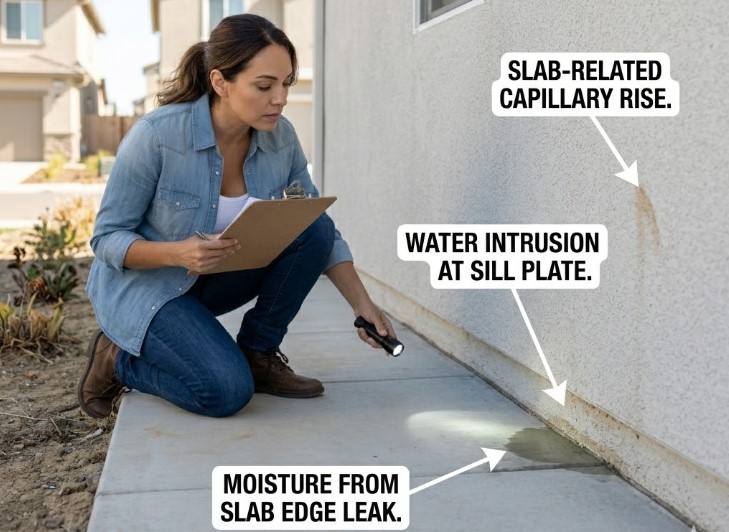
Water can enter slab homes through multiple routes. Plumbing leaks are a leading culprit, especially when supply or drain lines are routed beneath the slab—a failure here can go unnoticed for weeks. Outdoors, rainwater pooling around the perimeter after a storm, sprinkler overspray, or improper yard grading can drive moisture against the slab, eventually seeping through cracks or expansion joints.
Coastal homes face extra challenges: marine layer fog and June Gloom bring high humidity, increasing condensation risk on windows and cool surfaces. Inland, dry air can mask slow leaks, but sudden storms or irrigation can still cause pooling.
Condos and apartments built on slabs have their own risks. Shared walls and slab penetrations for utilities can become hidden entry points for moisture, while ground-level residents may not realize water is creeping in from neighboring units or common areas.
Do this now: After the next rain, walk your home’s perimeter. Look for standing water, muddy or soft spots next to the foundation, or dampness against the slab. Noticing these signs early gives you a chance to improve drainage, adjust sprinklers, or spot leaks before they cause damage. For more tips, see the Ultimate Leak Detection Checklist for San Diego Homeowners.
Diagnosing Leaks & Acting Fast: The First 48 Hours
A key to mold prevention is speed—drying out within 24–48 hours can stop mold before it starts. In slab foundation homes, leaks can be sneaky. Classic signs of slab leaks include unexplained hot spots on the floor (from leaking hot water lines), a sudden spike in your water bill, musty odors, or damp, buckling carpet.
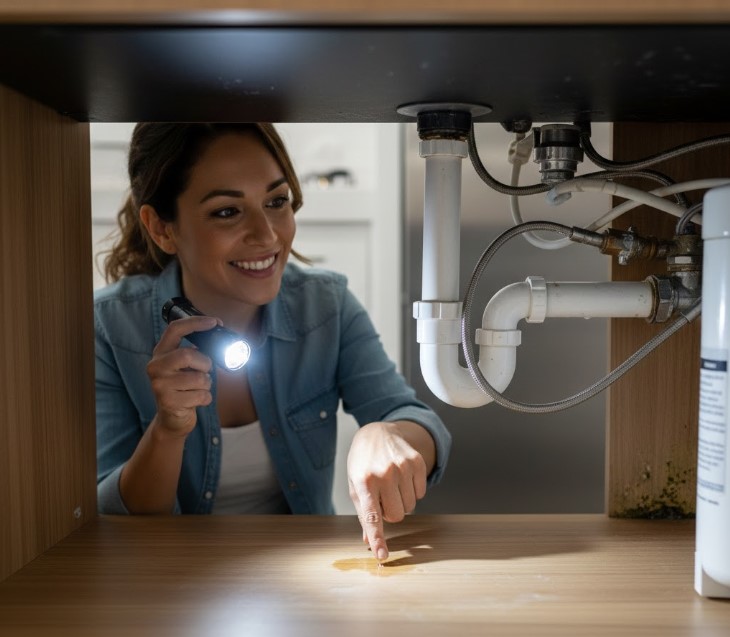
If you discover water on your slab floor, move quickly. Immediately (within 0–24 hours), shut off your home’s main water supply to halt active leaks. Move furniture and belongings away from the wet area, especially anything made of porous materials like carpet, drywall, or insulation. Start drying with towels, fans, and—if available—a dehumidifier. Take photos of the affected areas and any visible water or stains. This visual record is valuable for insurance, your landlord, or HOA.
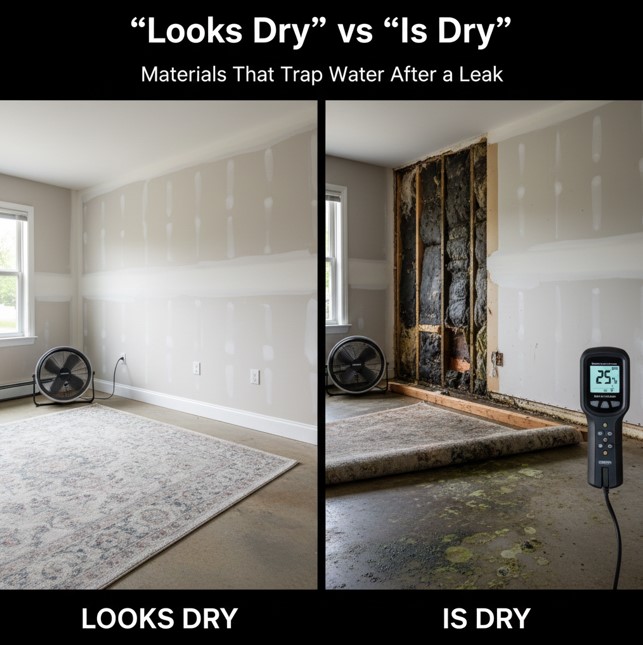
Within the next 24–48 hours, run fans and dehumidifiers continuously to pull moisture out of the air and off surfaces. Use a moisture meter (available for $20–$50 at hardware stores) to check floors, walls, and baseboards for hidden dampness. If wet areas don’t dry out, or if you see bubbling paint, warping floors, or visible mold, call a professional for assessment. For renters and condo owners, document your findings and notify your landlord or HOA right away.
Do this now: Assemble a basic “leak response kit”—flashlight, towels, box or oscillating fan, moisture meter, and emergency plumbing contacts. Keep it handy so you’re ready to act fast if water appears.
Ventilation & Condensation: Slab Homes’ Hidden Moisture Traps
Ventilation is often overlooked in slab homes, but it’s critical for moisture control. Unlike homes with crawlspaces that naturally “breathe,” slab-on-grade houses can trap steam and humidity, especially if HVAC ducts run in or under the slab or if dryers aren’t vented properly.
Coastal San Diego homes face persistent moisture from the marine layer, particularly during cool, damp mornings. Bathrooms without effective exhaust fans or kitchens lacking a proper range hood can quickly accumulate condensation on windows and mirrors. This is especially noticeable during June Gloom, when cool outside air meets warmer indoor surfaces.
Inland slab homes have different challenges. Rapid temperature swings and frequent use of air conditioning can lead to “sweating” AC ducts, window condensation, or dampness near vent registers—especially if the HVAC system is oversized or set too cold. Closed windows, common during hot spells or wildfire smoke events, further limit air exchange.
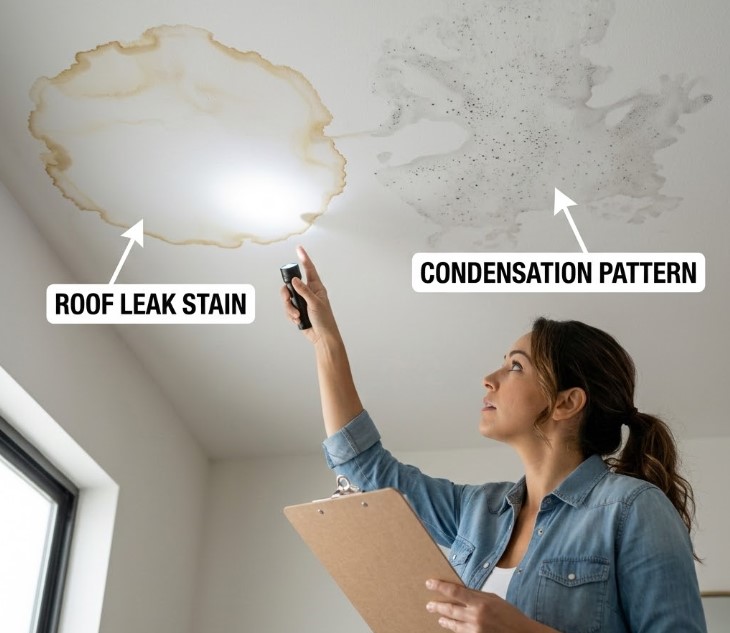
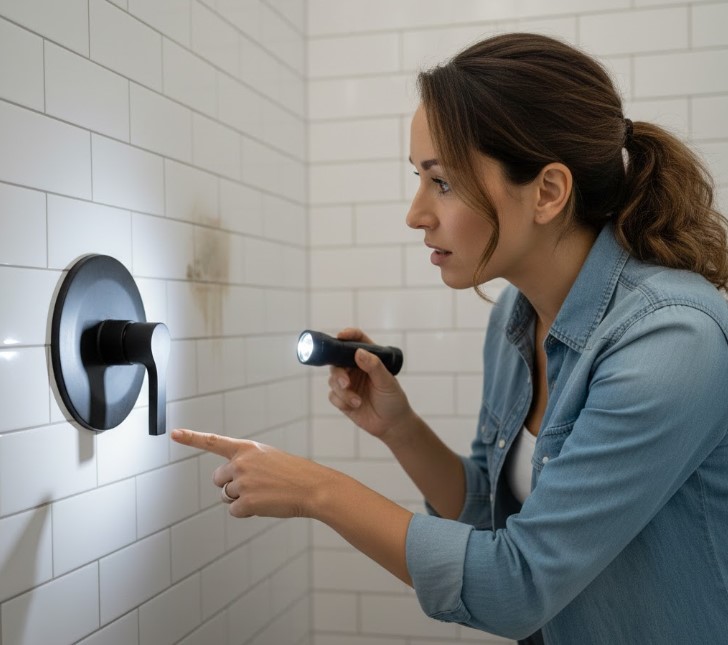
High-risk areas include bathrooms, kitchens, and laundry rooms. Look for condensation on windows, mirrors, or tile grout, and signs like peeling paint or warped trim. In condos and rentals, these symptoms may be more pronounced due to shared ventilation or limited control over building systems.
Do this now: Spend 10 minutes each morning for a week checking for condensation on windows, mirrors, and bathroom surfaces. If you spot fogging or beads of water, run your bath fan longer (it should be sized at least 50 CFM for small bathrooms), use your range hood during cooking, and open windows when weather permits. Never vent dryers or bathroom fans into the attic—always direct moist air outside. For more ventilation strategies, see How to Improve Home Ventilation (Bathrooms, Kitchens, Attics).
Mold Prevention Starts with Moisture Control
Mold is a symptom—the real cause is excess moisture. The good news: if you keep your slab foundation and living spaces dry, mold can’t take hold. The EPA recommends maintaining indoor relative humidity (RH) below 60%, aiming for an ideal 40–55% range. In San Diego, this target is realistic with some vigilance.
Monitor your indoor humidity with a digital hygrometer (often under $20). Place it in high-risk rooms: bathrooms, laundry areas, or kitchens. Watch for spikes after showers, cooking, or humid weather. If RH consistently exceeds 60%, consider running a dehumidifier or improving ventilation. Dry any spills or leaks within 24 hours—use fans and a dehumidifier for persistent dampness.
For condos and rentals, it’s crucial to report leaks right away and document with photos. Ask property management if there’s a history of slab moisture or previous water damage. Remember, porous materials like carpet, drywall, and insulation are especially susceptible to water and should be dried or replaced if soaked.
Homeowners can use a hygrometer and moisture meter for spot checks, but call a pro for recurring dampness, visible mold, or any structural signs like shifting floors or cracked slabs. See Mold Prevention Starts with Moisture for more details.
Do this now: Track your indoor RH for seven days. Note any spikes after rain, showers, or major cooking. If you notice persistent high humidity, take steps to improve airflow or add a dehumidifier.
Inspection & Verification: How to Know You’re Dry
Once you’ve addressed a leak or moisture event, confirming the area is truly dry is essential to avoid hidden mold or future damage. Moisture meters are the homeowner’s best friend here—test the edges of floors, along baseboards, and under rugs for any lingering dampness. Even if the surface feels dry, moisture can hide below.
Watch for ongoing warning signs: a musty odor, dampness that returns after drying, or visible staining on floors and walls. Re-check moisture levels after heavy rain, plumbing repairs, or if you’ve had a slab leak before.
DIY spot checks are usually enough if readings are dry and there are no red flags. But if moisture persists, you notice warping or staining, or you’re concerned about structural integrity, contact a professional for evaluation. For major events, post-remediation verification from an independent inspector can provide peace of mind and documentation for insurance or your landlord.
Do this now: After any water event or repair, document your moisture readings and take clear photos. Save these for your records, especially when dealing with insurance or rental agencies. For more, see How to Spot Water Damage in Condos and Apartments.
FAQ: Slab Foundation Moisture in San Diego Homes
How do I know if I have a slab leak in my San Diego home?
Common signs include warm spots on the floor, unexplained increases in your water bill, persistent musty odors, or damp carpets with no visible source.
What are the first steps if I find water on my slab floor?
Shut off the main water supply, move items off the floor, start drying immediately, and document with photos. Dry the area within 24–48 hours to reduce mold risk.
Is condensation a real problem for slab foundations near the coast?
Yes. Marine layer humidity and fog can cause regular condensation on windows and other cool surfaces, especially during June Gloom or in homes with poor ventilation.
How can I measure humidity and moisture at home?
Use a digital hygrometer to monitor RH (aim for 40–55%) and a moisture meter to check floors and baseboards for hidden dampness.
What’s the difference between a plumbing leak and condensation?
A plumbing leak produces continuous or pooled water, often with warm spots or visible damage. Condensation appears as water droplets on cool surfaces, usually in bathrooms or near windows, and is linked to high indoor humidity.
Do I need a professional to dry out a wet slab?
For minor, clean-water spills that dry within 24 hours, DIY is often sufficient. If water is dirty, extensive, or you see visible mold, call a professional.
What should renters do if they suspect a slab leak?
Document everything with photos and written notes, report the issue to your landlord or property manager immediately, and follow up until repairs are made.
How long does it take for mold to grow after a water event?
Mold can start growing within 24–48 hours if moisture isn’t controlled, so immediate drying is critical.
Next Steps:
Walk your home’s perimeter after the next rain and check for water or soft spots. Spend ten minutes each morning this week checking for condensation. Track your home’s indoor relative humidity for seven days—note any spikes and address issues early. Finally, document all moisture problems with photos and notes, and don’t hesitate to schedule a professional inspection if you spot any red flags.
For a comprehensive overview, check out our Moisture Control Guide: San Diego Homes and explore targeted advice like San Diego Coastal vs Inland: Moisture Threats by Zip Code. Mold prevention starts with moisture control—take action today to protect your slab foundation home.