Yes, toxic black mold (Stachybotrys chartarum) can poison you, but severe cases are rare. Prolonged exposure to high levels of black mold, especially in damp indoor environments, can lead to a range of health problems for sensitive individuals.
This matters for San Diego homeowners and renters because our coastal fog, marine layer, and occasional plumbing leaks create ideal conditions for mold growth in both older inland homes and modern condos. Understanding the risks and early warning signs helps protect your family’s health and your property’s value.
- Toxic black mold can release mycotoxins that may cause health issues in some people.
- Symptoms range from sinus problems and headaches to fatigue and respiratory irritation.
- Children, elderly adults, and people with weakened immune systems are at higher risk.
- Mold grows where there’s persistent moisture—fix leaks and control humidity to prevent it.
- Severe poisoning is rare but possible after long-term exposure in poorly ventilated, damp environments.
- Early action on moisture and ventilation issues is key to preventing black mold.
What Is Toxic Black Mold and Where Does It Grow?
Toxic black mold, or Stachybotrys chartarum, is a type of fungus identifiable by its dark greenish-black color and slimy texture. In San Diego homes, especially along the coast, it’s more common than many people realize because of our persistent marine layer, June Gloom, and the humidity spikes that can sneak up even inland.
What surprised me most when I started looking into this topic is just how little moisture black mold actually needs to thrive. It grows best on materials like drywall, wood framing, and ceiling tiles that have been damp for several days or weeks. These are materials found in nearly every San Diego apartment, condo, or single-family home. The pattern I keep seeing is that moisture is always the root cause—mold is only the symptom.
Older homes near the coast are especially prone due to aging plumbing and less effective vapor barriers, but even newer condos can fall victim if there’s a hidden leak or poor ventilation. After a stretch of foggy mornings or a plumbing mishap, it pays to be vigilant.
If I could give just one practical tip, it would be this: Check hidden areas—behind furniture, under sinks, and inside closets—for dampness or musty odors after wet weather or plumbing leaks. Mold often begins out of sight.
Health Risks of Black Mold Exposure: What Science Says
Toxic black mold has a reputation for causing serious illness, but the science is actually more nuanced. Research suggests that mycotoxins from mold like Stachybotrys chartarum can trigger allergic reactions—think stuffy nose, itchy eyes, and skin rashes—and may worsen asthma, especially in sensitive people.
And this is where it gets interesting. Severe cases of “black mold poisoning” are extremely rare. Most healthy adults experience only mild symptoms, if any, unless they’re exposed to high levels of mold over a long period. Children, elderly adults, and people with immune system challenges are much more vulnerable, particularly if their home stays damp or poorly ventilated.
Long-term, heavy exposure may be linked to chronic headaches, memory difficulties, or even lung infections, but these are outliers, not the rule. Another myth: Not every black mold is “toxic.” Only certain species, like Stachybotrys, produce significant amounts of mycotoxins, and even then, conditions have to be right.
If you or your family start noticing unexplained respiratory symptoms that improve when you leave home, consider bringing in a professional to inspect for hidden mold and moisture. For those with asthma or immune disorders, it’s safest to avoid entering any room with visible mold until the problem is fixed.
Warning Signs of Toxic Black Mold in Your Home
Spotting toxic black mold before it becomes a health risk isn’t always easy, but there are some warning signs I’ve learned to watch for. The most obvious is visible black or greenish-black patches, especially in spots that have been water-damaged. But mold doesn’t always grow out in the open.
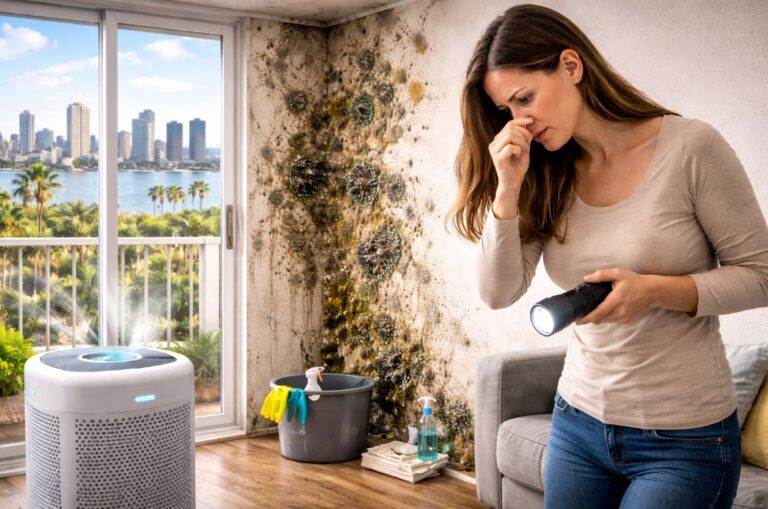
Persistent musty or earthy odors, even if you can’t see any mold, are a big red flag in San Diego homes—especially after a week of marine layer or following a plumbing issue. Peeling paint, warped walls, or bubbling drywall can signal moisture behind the surface. Don’t overlook condensation on windows, too, which can be common during coastal fog and should prompt a check for hidden leaks.
Recurring cold or allergy-like symptoms among household members, especially if they clear up when you’re away, may also point to indoor mold. Here’s what I noticed: After water events like leaks or flooding, there’s a critical window—dry out affected areas within 24–48 hours, or you risk mold growth.
DIY vs. Professional Help: When to Call an Expert
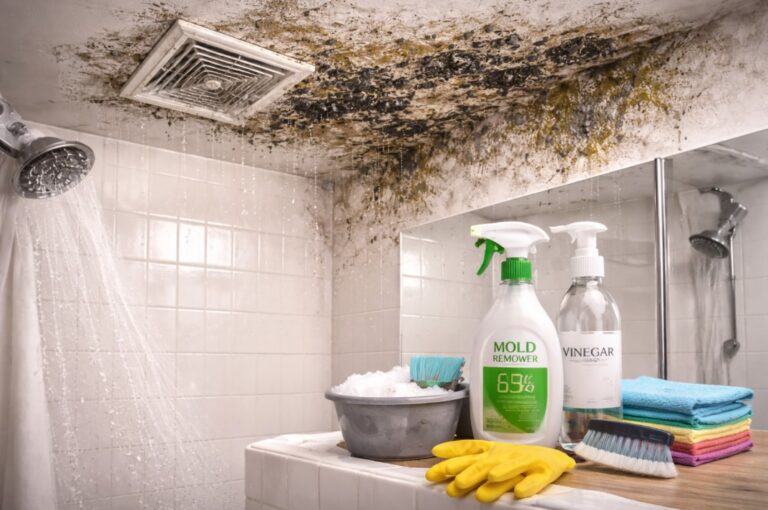
I often get asked if you should try to clean toxic black mold yourself or call in a pro. Here’s what I’ve found works: If the affected patch is less than about 10 square feet and it’s on a non-porous surface (like tile or glass), you can often tackle it safely with gloves, a mask, and a cleaning solution. The key is to protect yourself and prevent spores from spreading.
But if you see a large area of mold, suspect it’s hidden behind walls, or the problem keeps coming back, it’s time for a licensed remediation professional. Simply scrubbing the surface isn’t enough if the underlying moisture issue isn’t fixed. For renters and condo owners, it’s also essential to document the issue and notify your landlord or HOA before doing any work—this is often required by local rules.
If you find more than a small patch of black mold or can’t identify where the moisture is coming from, contact a certified mold inspector familiar with San Diego’s range of home types. They’ll know where to look for those pesky leaks and hidden damp spots.
Reducing Your Risk: Moisture Control Strategies for San Diego Homes
It’s clear that the best way to protect your home from toxic black mold is to control indoor moisture, especially given San Diego’s unpredictable weather. I’ve learned that using a dehumidifier during humid spells or persistent marine layer conditions can make a big difference (expect to spend $50–$300 depending on size).
Promptly repairing plumbing leaks and roof issues is non-negotiable—every day you wait increases the risk of mold. Make sure bathrooms and kitchens have working exhaust fans, and actually use them during showers or cooking. In older homes, or after storms, inspect windows and foundations for leaks.
If you live near the coast, check for condensation in closets or behind furniture where humid air can get trapped. Inland, humidity spikes during summer storms can also be a problem. For condos, review your HOA’s moisture prevention rules before making any changes.
Set a reminder to check under sinks and around windows for moisture every month, especially during June Gloom or after heavy coastal fog. Prevention is a lot less expensive—and less stressful—than remediation.
Official Guidance: What Authorities Say About Black Mold Health Risks
Federal and state agencies have weighed in on toxic black mold, but their advice is refreshingly practical. According to the EPA Mold Guidelines, any mold—regardless of species—can cause health problems in sensitive people and should be removed promptly and safely. The Centers for Disease Control and Prevention (CDC) notes that long-term exposure to damp indoor environments can worsen asthma and allergies.
The California Department of Public Health emphasizes that while toxic black mold is not always more dangerous than other molds, all mold problems need attention. The EPA also reiterates that preventing mold starts with controlling indoor moisture. When it comes to cleanup, the CDC recommends using personal protective equipment and ensuring proper ventilation.
Sources Note
Organizations Used:
– Centers for Disease Control and Prevention (CDC)
– Environmental Protection Agency (EPA)
– California Department of Public Health
This article is for informational purposes only. For confirmed or severe mold issues, consult a licensed indoor air quality or mold remediation specialist.
FAQ
Can black mold really make you sick?
Yes, toxic black mold can cause health issues in sensitive individuals, especially after prolonged exposure in damp indoor settings. Most healthy adults experience mild symptoms, if any.What are early symptoms of black mold exposure in the home?
Early symptoms include sinus congestion, headaches, itchy eyes, skin irritation, and sometimes fatigue or a lingering cough—often improving away from the affected area.How fast can toxic black mold affect your health?
Some people notice symptoms within days of exposure, while for others it may take weeks of continuous contact. The risk increases with higher mold levels and longer exposure.Is it safe to live in a house with black mold for a few days?
Short-term exposure is unlikely to cause severe illness in healthy adults, but vulnerable individuals (children, elderly, immune-compromised) should avoid spending time in moldy environments.What does toxic black mold look like on walls or ceilings?
It typically appears as dark greenish-black, slimy or sooty patches, especially on damp drywall, wood, or ceiling tiles.Can you get rid of black mold yourself, or do you need a professional?
Small, accessible patches can often be cleaned with protective gear, but large or hidden infestations require professional remediation.How do you test for toxic black mold in your house?
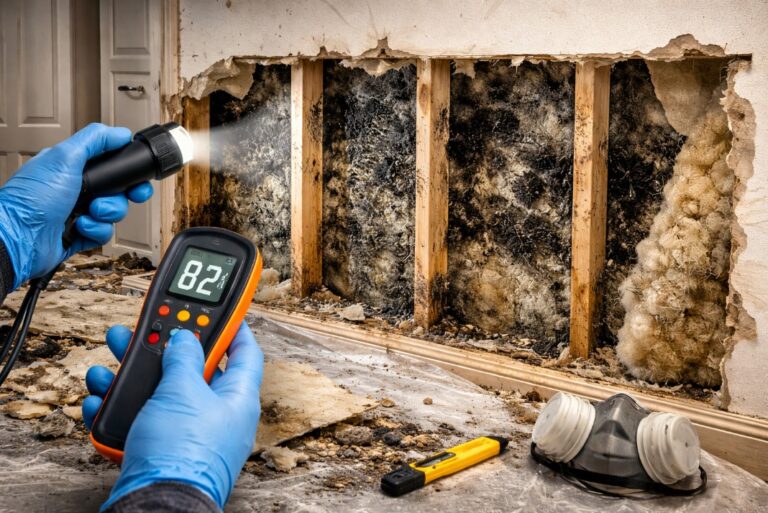
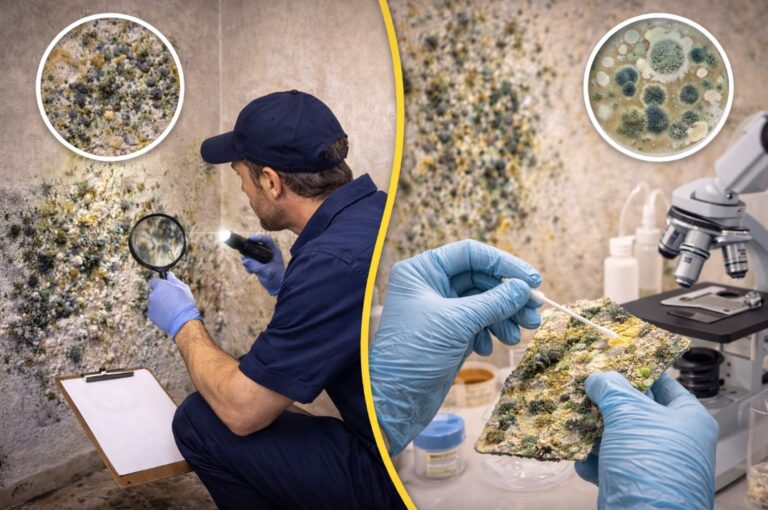
Professional inspectors use moisture meters, air sampling, and lab analysis to confirm the presence and type of mold.Are San Diego homes at higher risk for black mold because of coastal weather?
Yes, the region’s marine layer, coastal fog, and humidity spikes increase the risk, especially in older homes and poorly ventilated condos.
Next-Step Actions
- If you notice signs of moisture or mold, schedule a professional inspection to identify hidden problems before health risks escalate.
- After a leak or flooding, act within 24–48 hours to dry out affected areas and prevent mold growth.
- For persistent moisture or ventilation issues in your San Diego home or condo, consult a local moisture control expert for tailored solutions.